
Build your own sauna
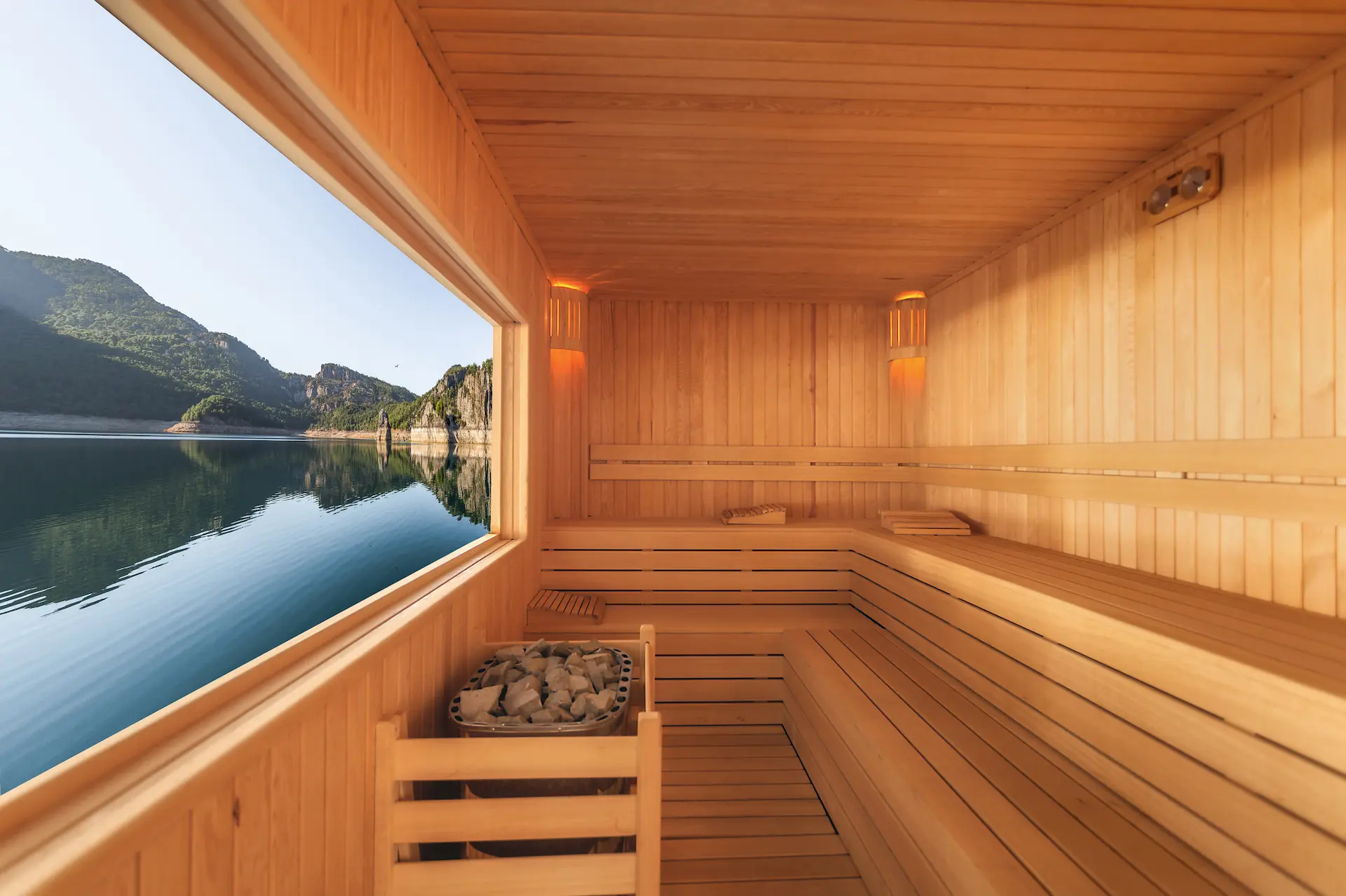
Structure
Only the best wood
Our sauna wood is aspen and red alder in class A. Only these types of wood meet our strict quality requirements for close-grained grain and a small number of knots, so they can withstand high temperatures and large temperature fluctuations in sauna environments.
Pine and spruce become unbearably hot and can exude resin. The wood does not have the same dirt-repellent surface as aspen – and risks splitting due to the wood's many knots and coarser structure.
Heat treating wood in special ovens is an environmentally friendly preservation method that leaves enough moisture in the wood to give it fewer internal stresses and no drying damage. It is also more stable under rapidly changing temperatures.
Aspen, untreated
Aspen has a beautiful light color and a fine knot-free structure. Aspen does not feel hot because it does not absorb heat very easily.
Aspen, heat-treated (thermoasp)
Treated aspen is both heat- and dirt-repellent, making it ideal for sauna benches and backrests. If you use it for the wall, it is also for its deep, beautiful and durable reddish-brown color.
Redwood
A cheaper and less durable alternative to aspen. This wood also has a nice texture and the color is yellowish or reddish – which changes to a more reddish brown over time. Brown spots occur naturally in the wood of the tree.
To help you get started, we have made this videoshowing how to build your own sauna.
Sauna clothing
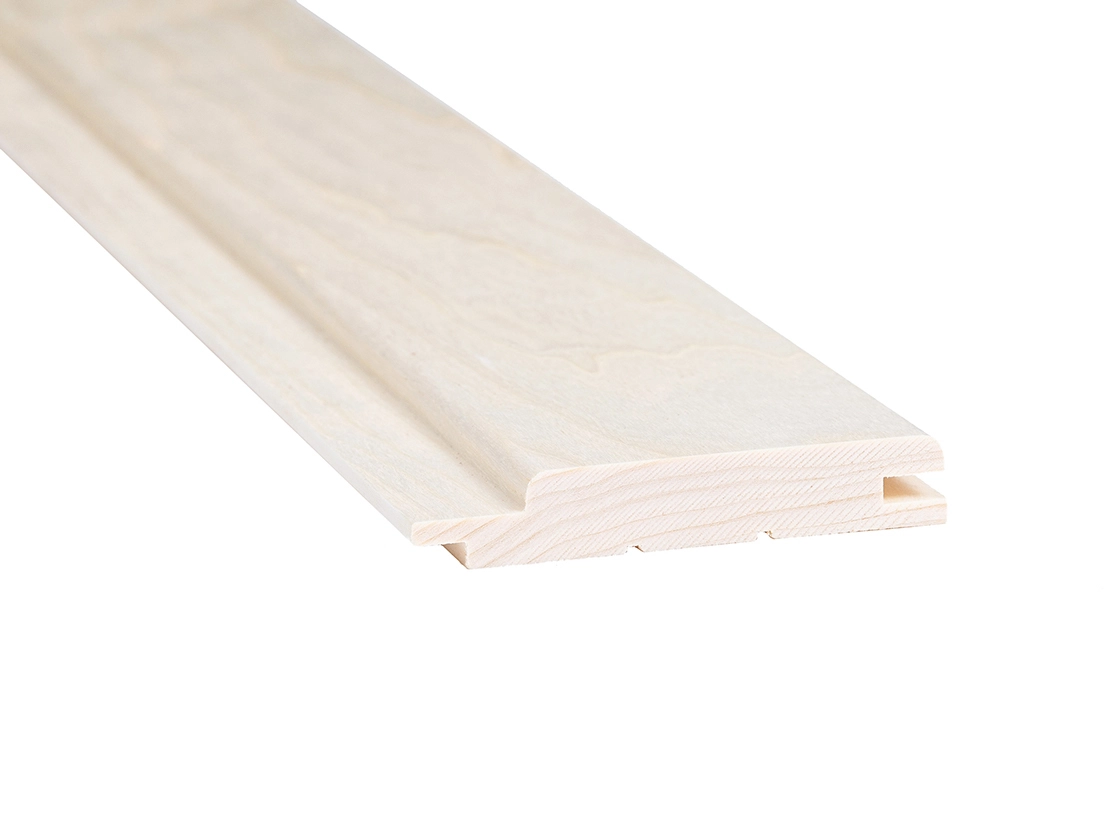
Sauna wood aspen, L: 210-240 x W: 6.5 x D: 1.2 cm

Sauna wood aspen, L: 210-240 x W: 6.8 x D: 1.5cm

Sauna wood aspen, L: 270 x W: 6.5 x D: 1.5 cm
12,67 €

Sauna wood aspen, L: 210-240 x W: 9.0 x D: 1.5 cm
Sauna wood aspen, L: 210-240 x W: 12.5 x D: 1.5 cm
Sauna wood aspen, L: 270 x W: 12 x D: 1.5 cm
23,33 €
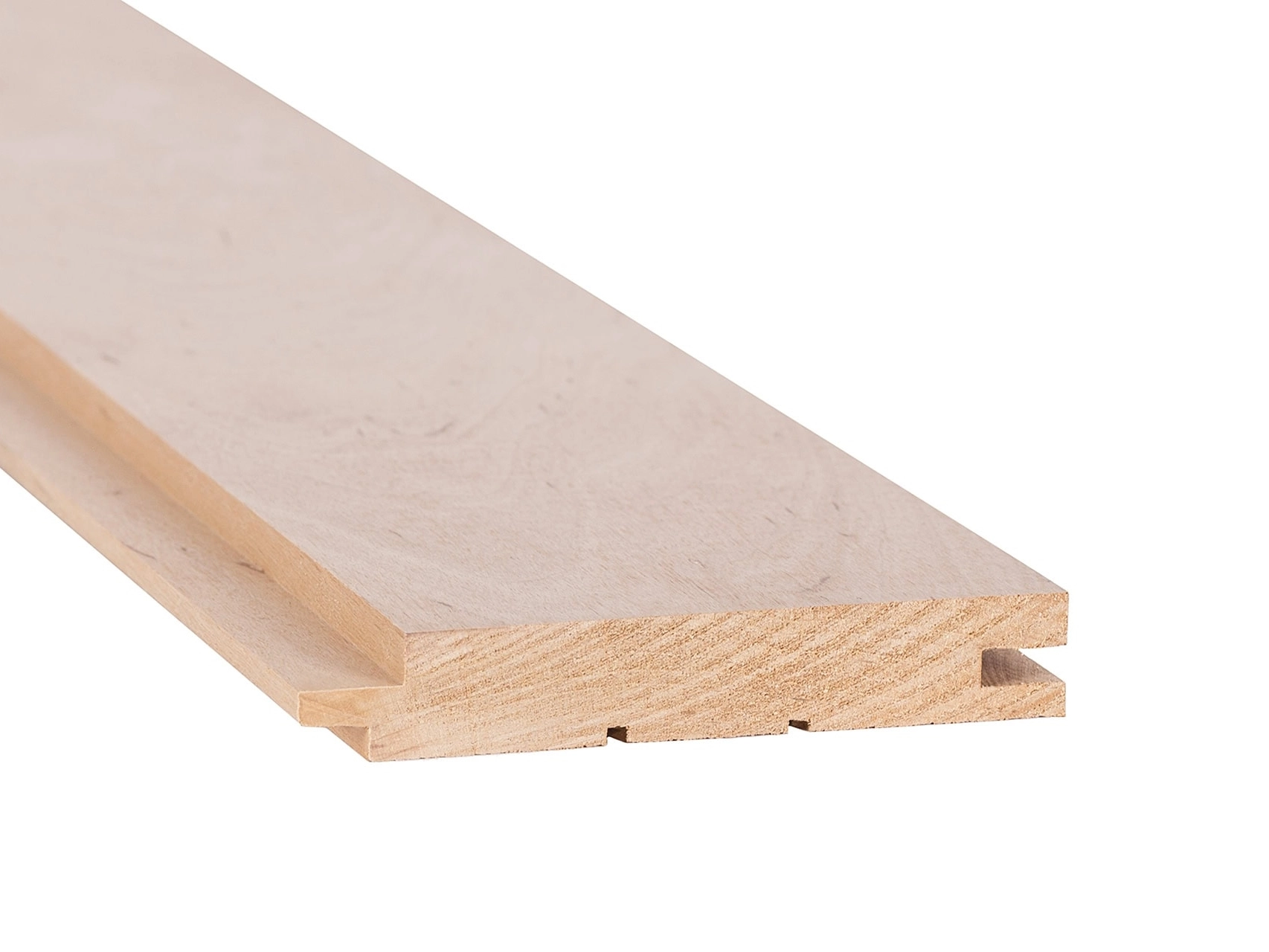
Sauna wood Red, L: 210-240 x W: 6.8 x D: 1.5 cm
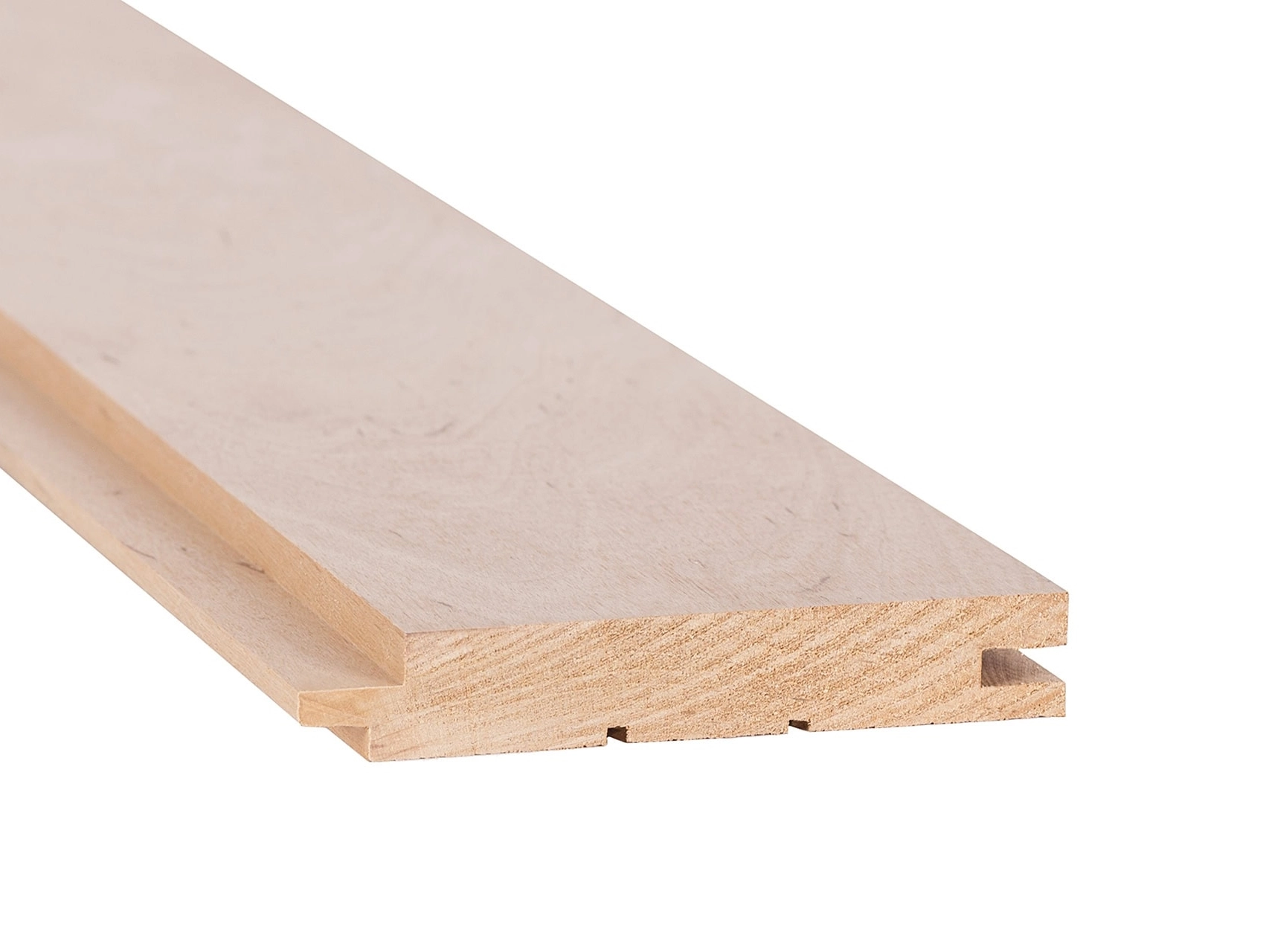
Sauna wood Red, L: 210-240 x W: 9.0 x D: 1.5 cm
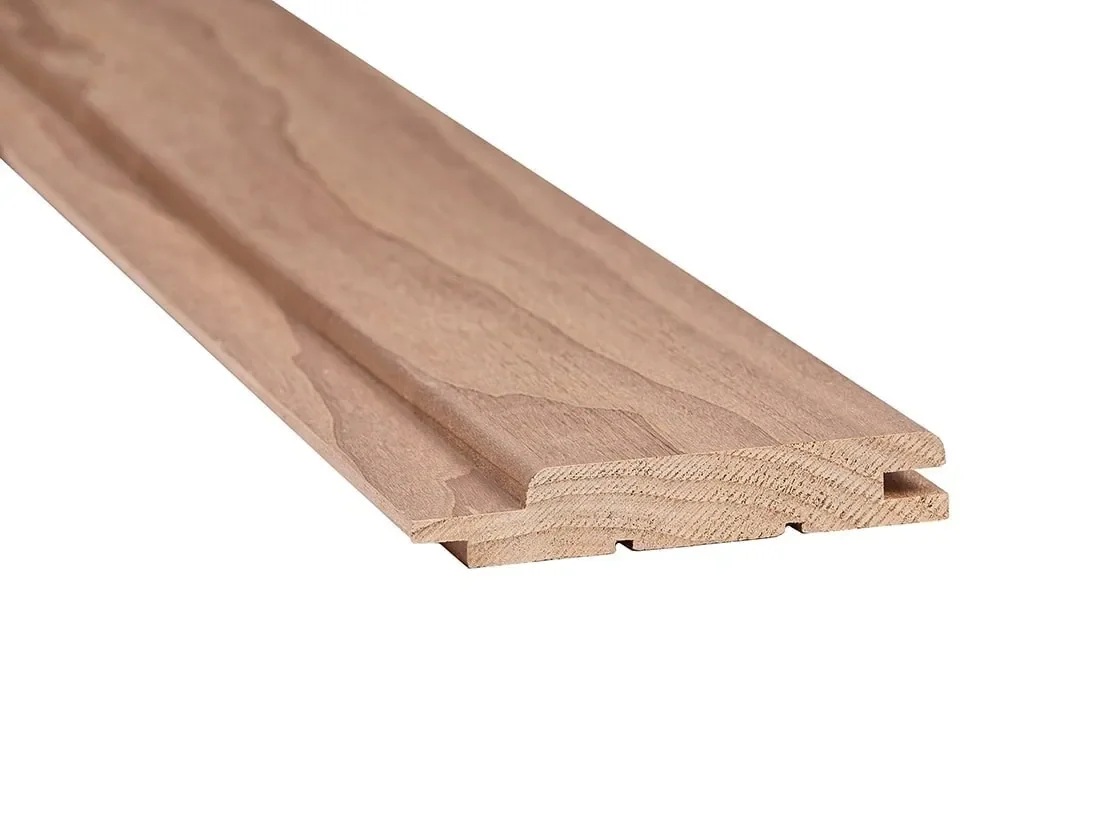

Ceiling rod for sauna, thermal aspen, L: 210 cm
14,00 €
Ceiling rod for sauna, thermal aspen, L: 240 cm
15,87 €
Ceiling rod for sauna, thermal aspen, L: 270 cm
18,53 €
Ceiling rod for sauna, thermal aspen, L: 300 cm
21,20 €
Stave thermo asp L1600 x W2.8 x H 4.2
12,93 €
Poles thermo asp L180 x W2.8 x H 4.2
14,00 €
Poles thermo asp L210 x W2.8 x H 4.2
15,20 €
Poles thermo asp L240 x W2.8 x H 4.2
17,20 €
Poles thermo asp L270 x W2.8 x H 4.2
19,87 €
Stave thermo asp L300 x W2.8 x H 4.2
22,53 €
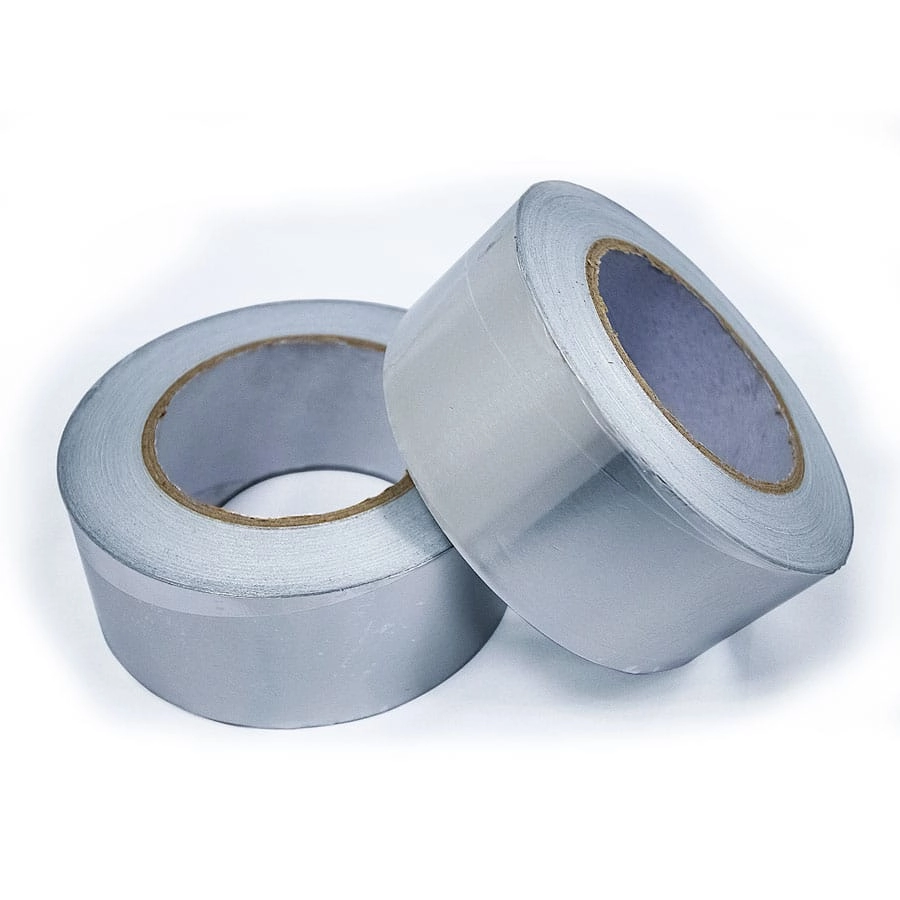
Tape for sealing sauna foil,
24,67 €
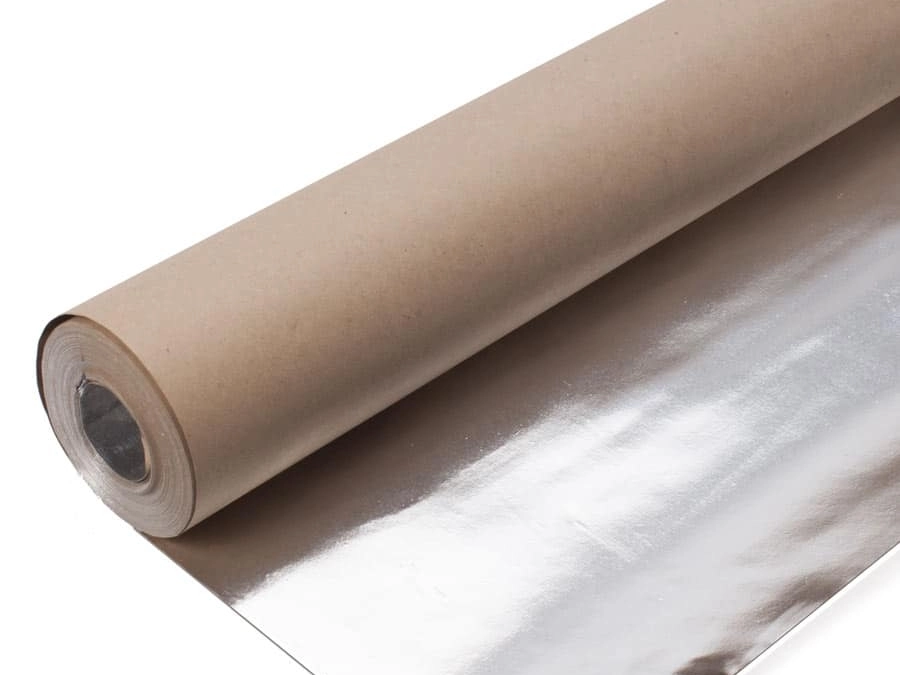
Sauna foil, 1.25 x 24 m
146,00 €
Corner moldings for sauna
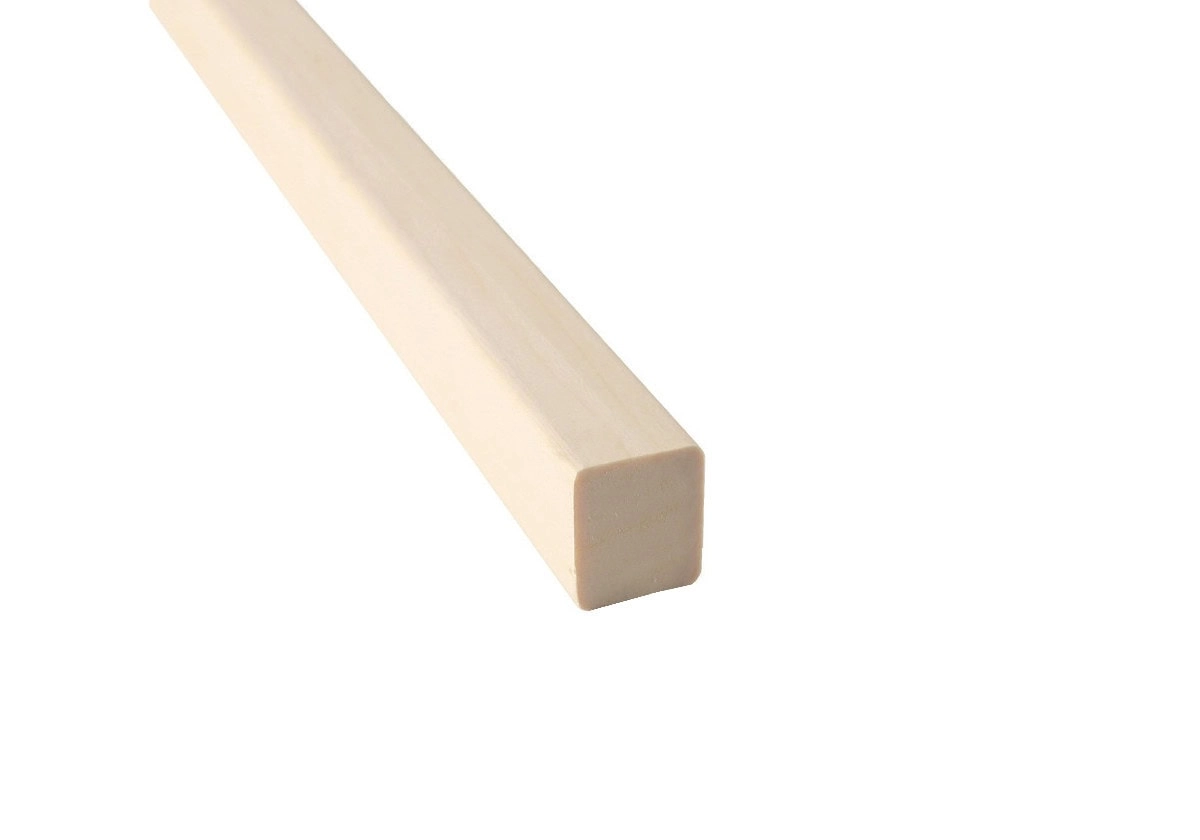
Corner strip square 21 x 21 mm aspen
39,33 €
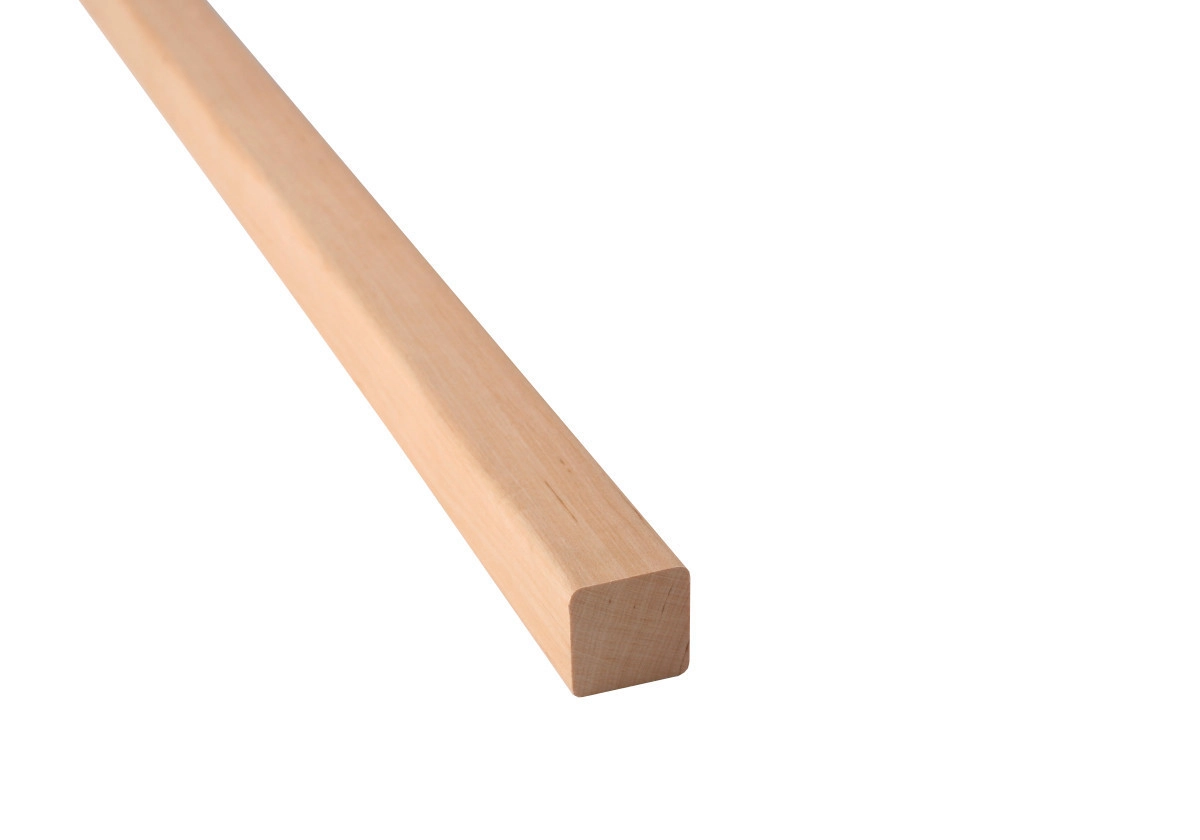
Corner strip square 21 x 21 mm red
30,00 €
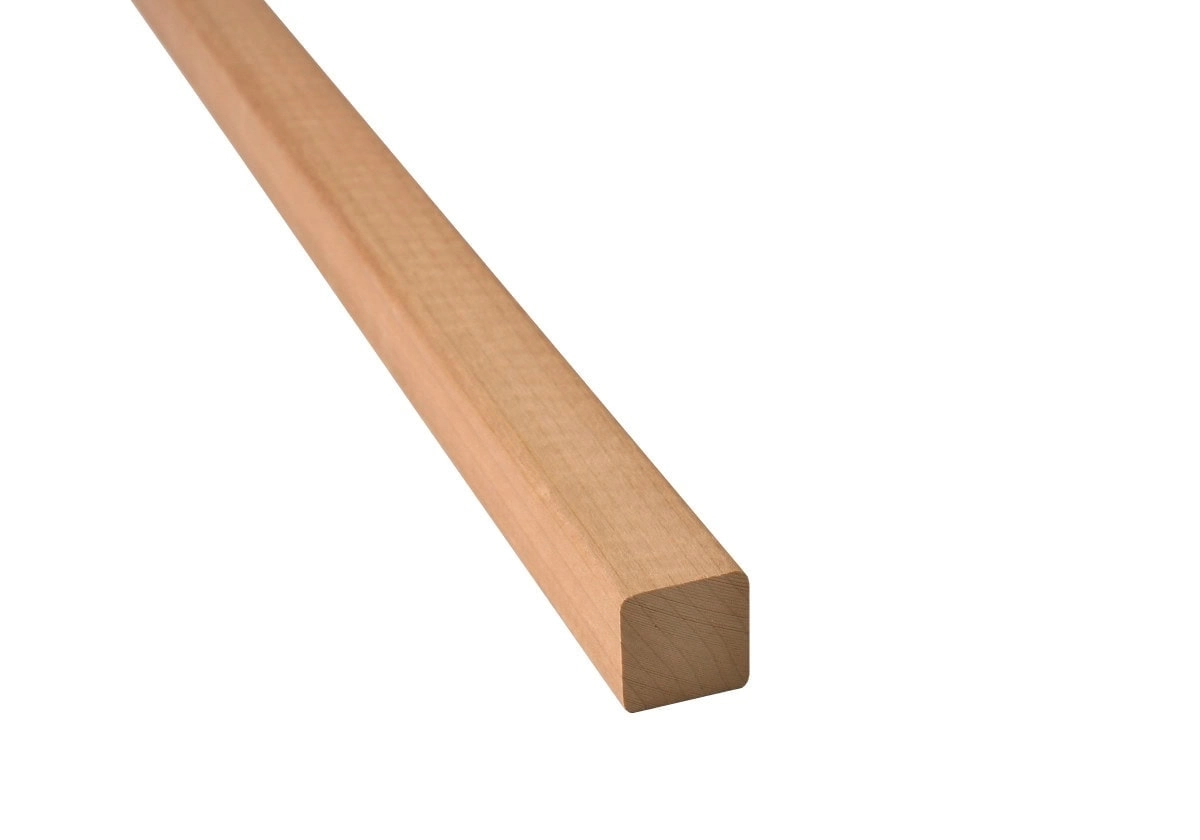
Corner molding square 21 x 21 mm thermal asp
52,67 €
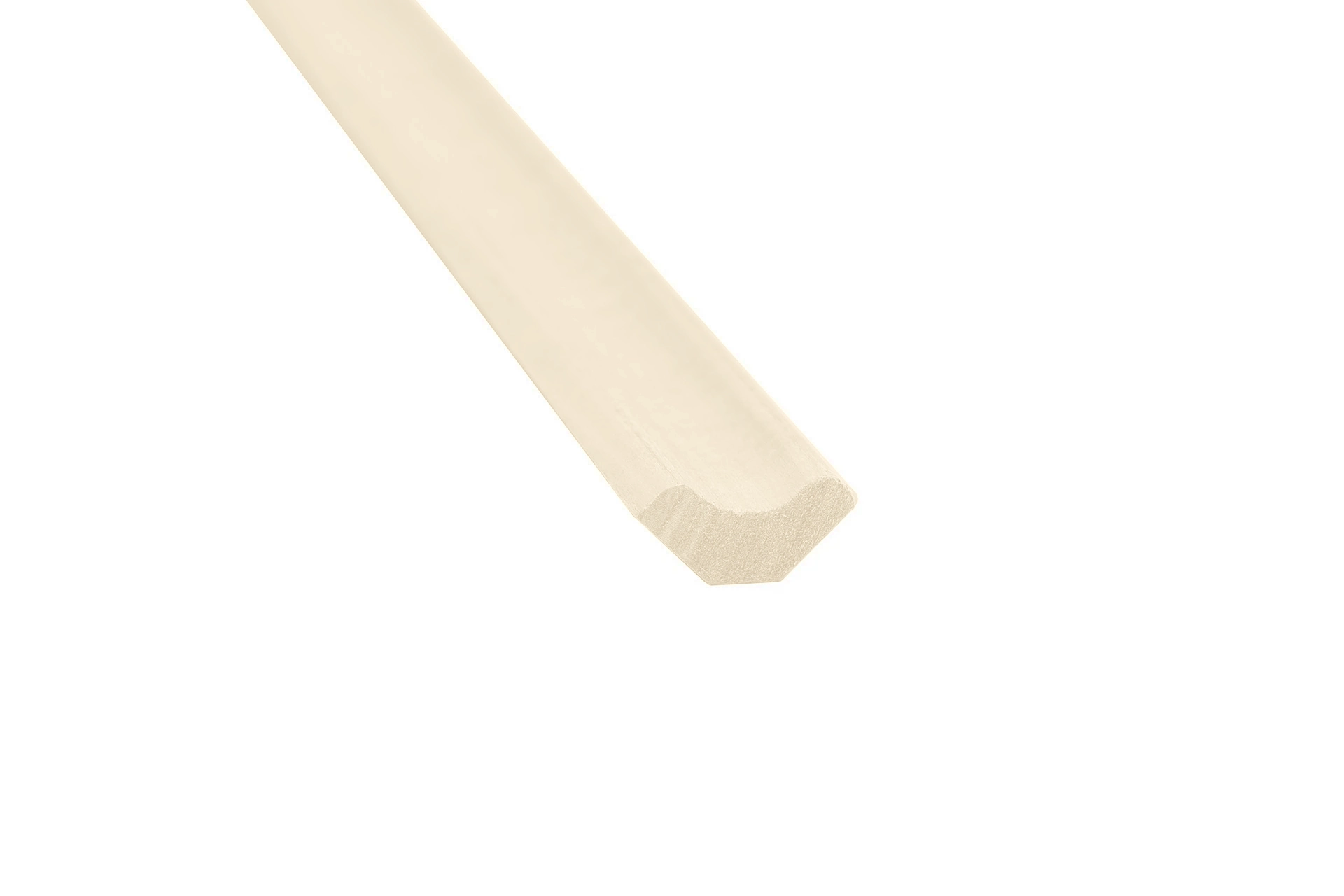
Corner strip for sauna, aspen
39,33 €
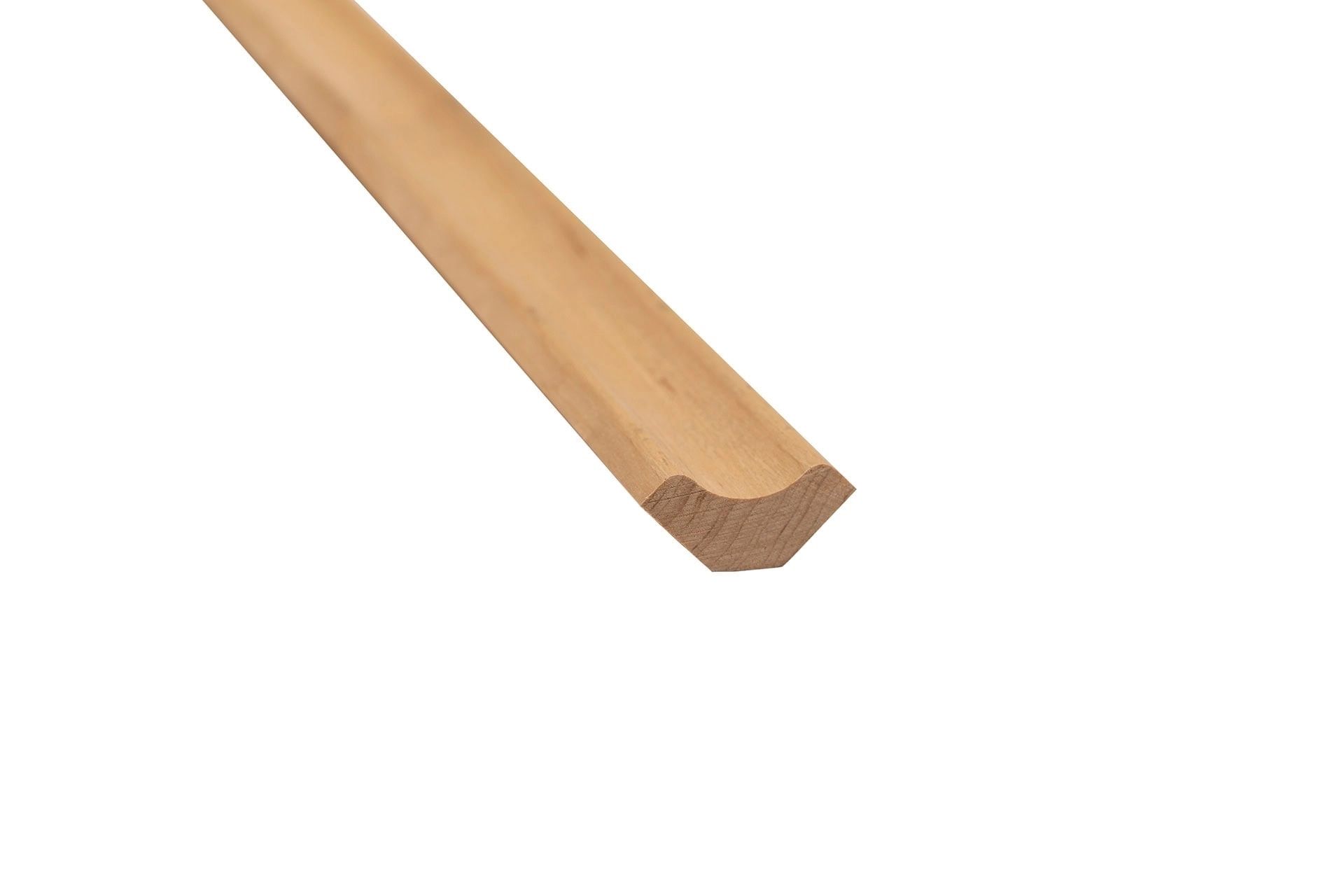
Corner strip for sauna, red
30,00 €
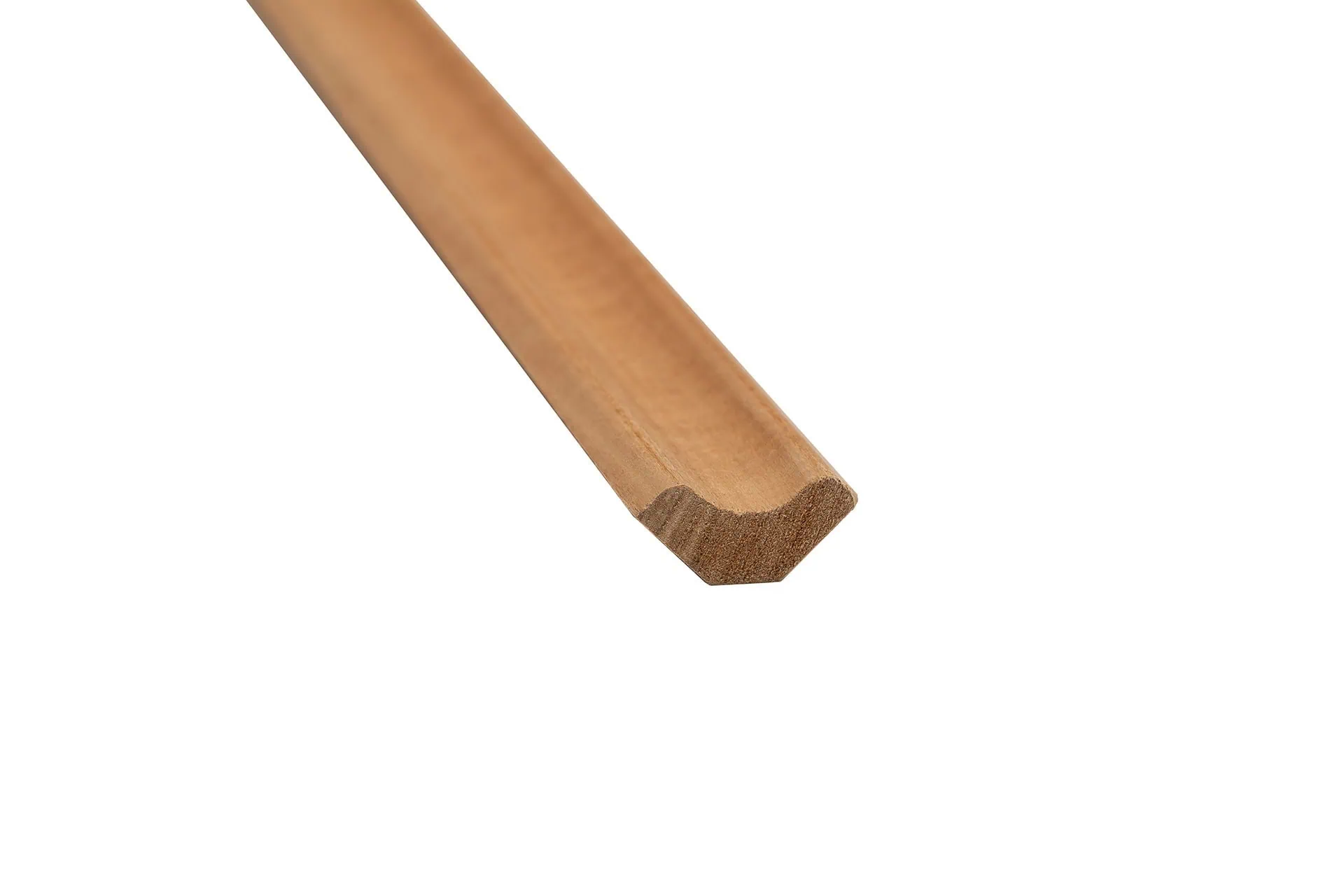
Corner molding for sauna, thermal asp
52,67 €
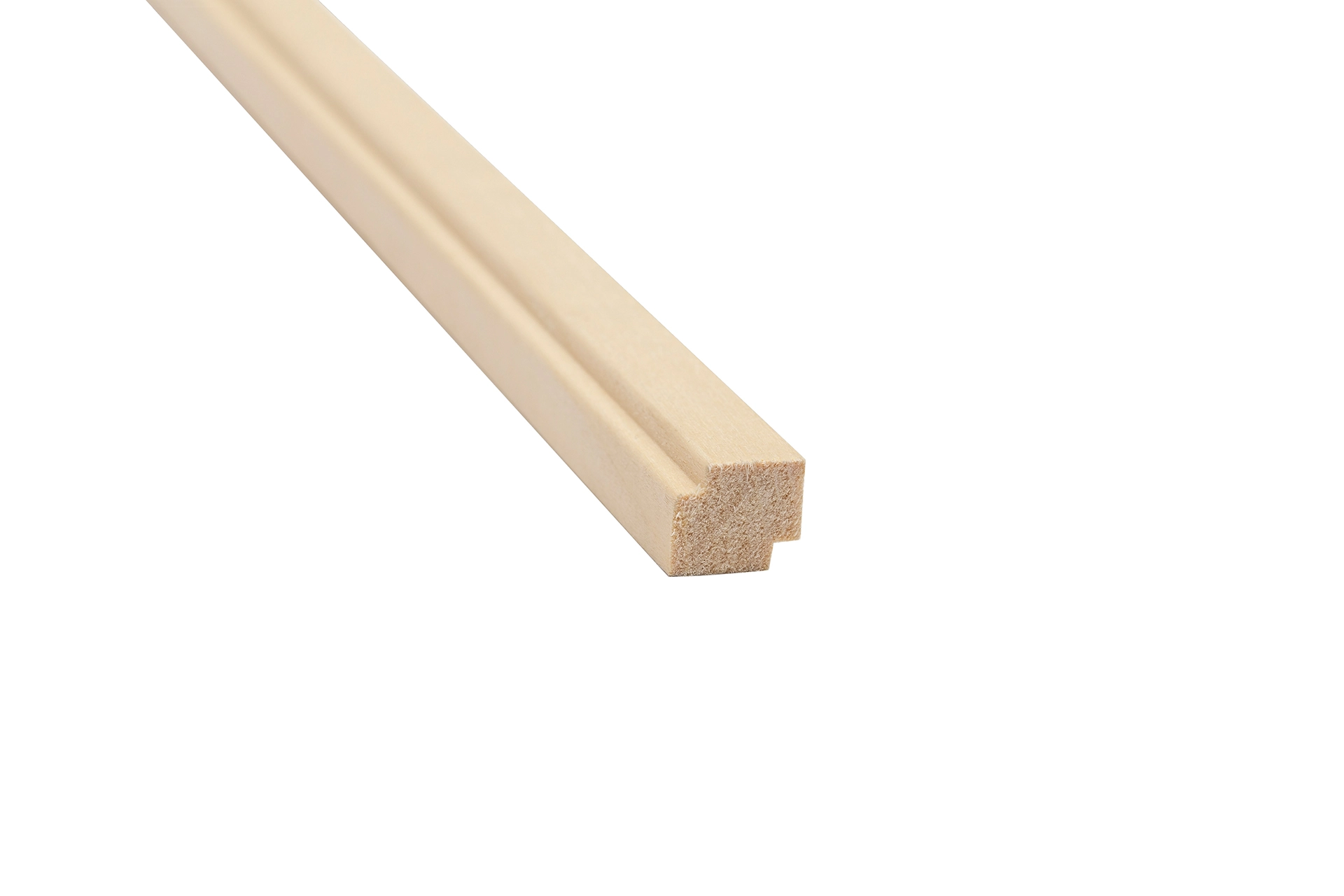
Corner strip, bow-shaped aspen
39,33 €
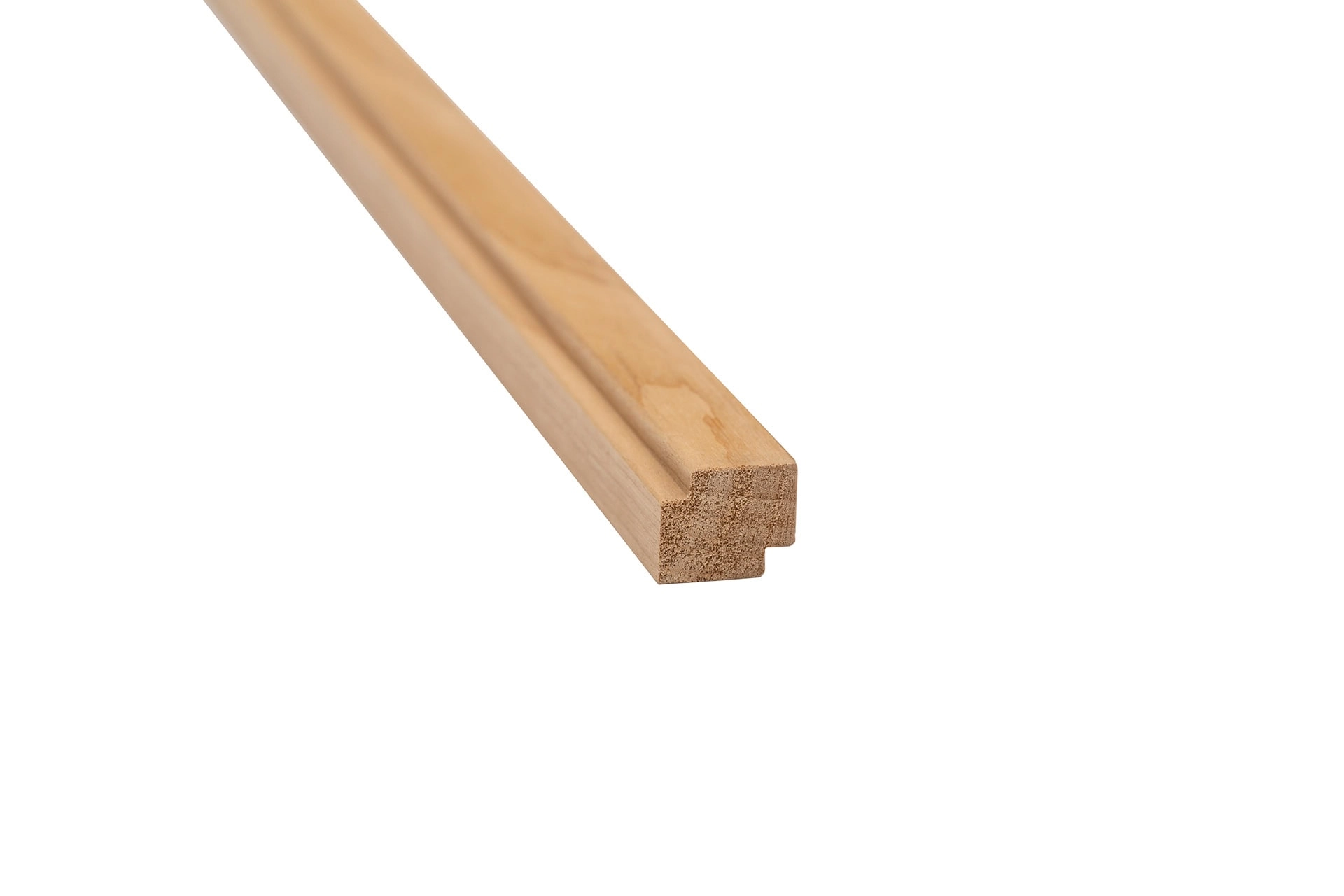
Corner strip, bow-shaped, red
30,00 €
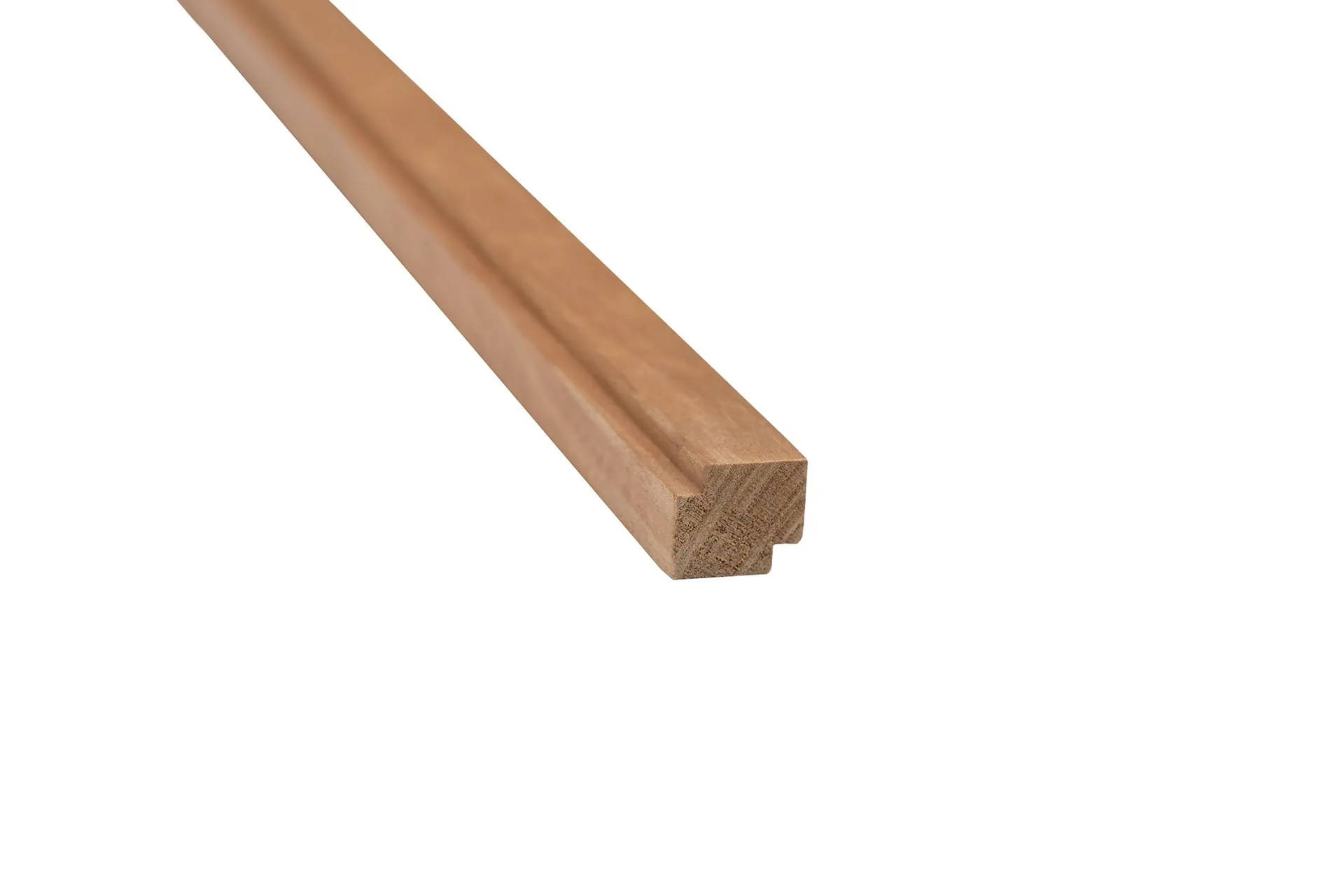
Corner strip, loop-shaped, thermo aspen
52,67 €
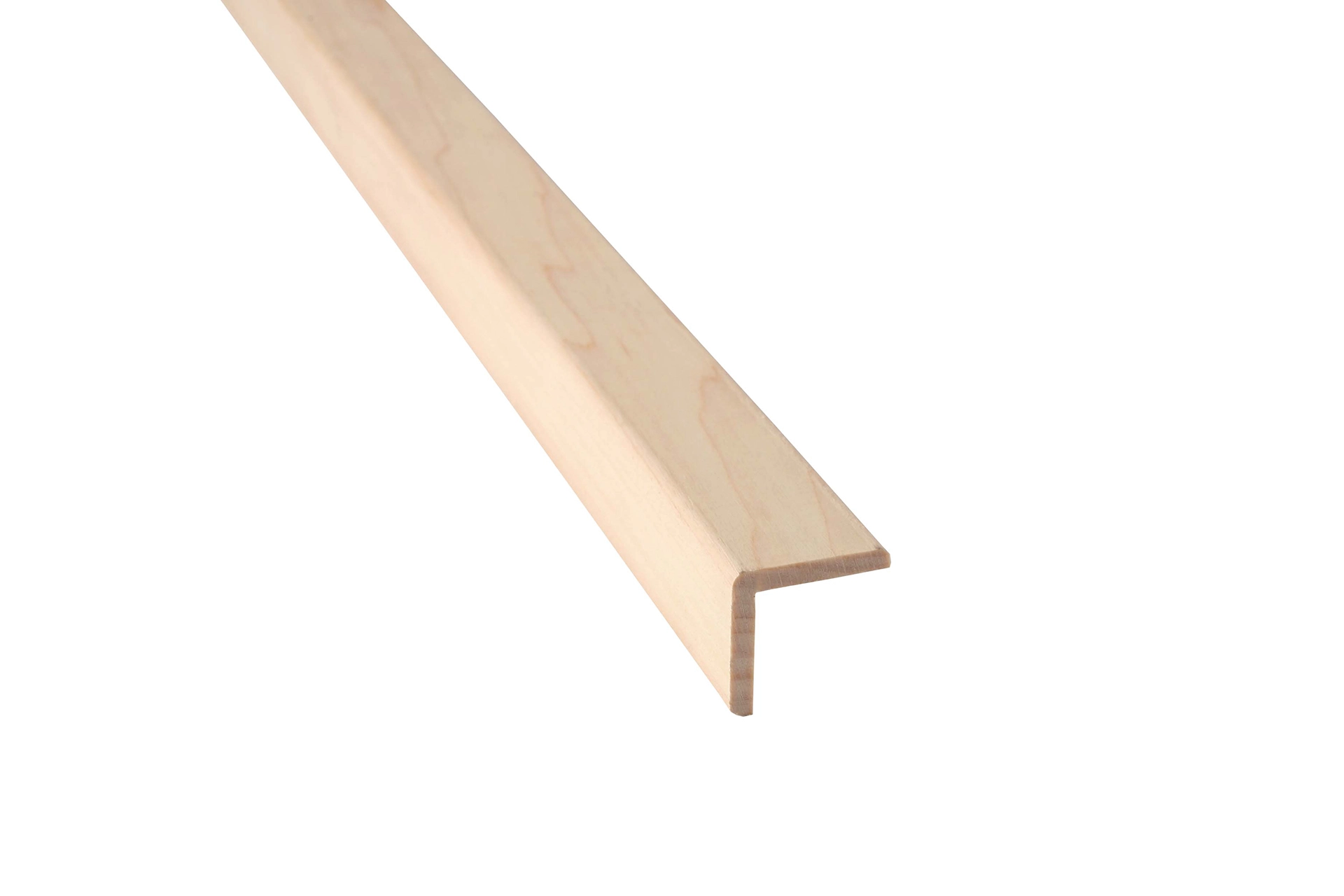
Corner strip exterior aspen
39,33 €
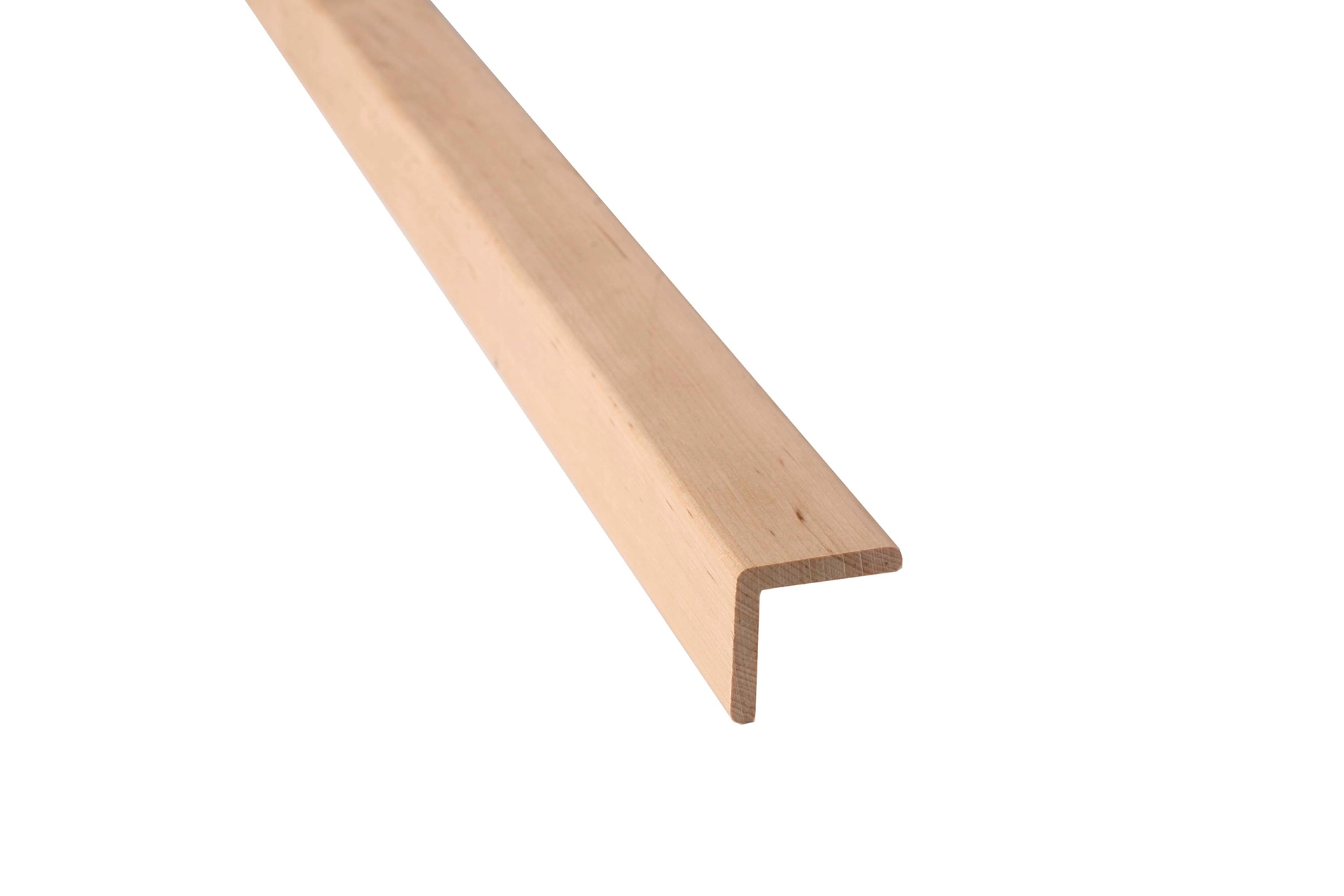
Exterior corner strip red
30,00 €
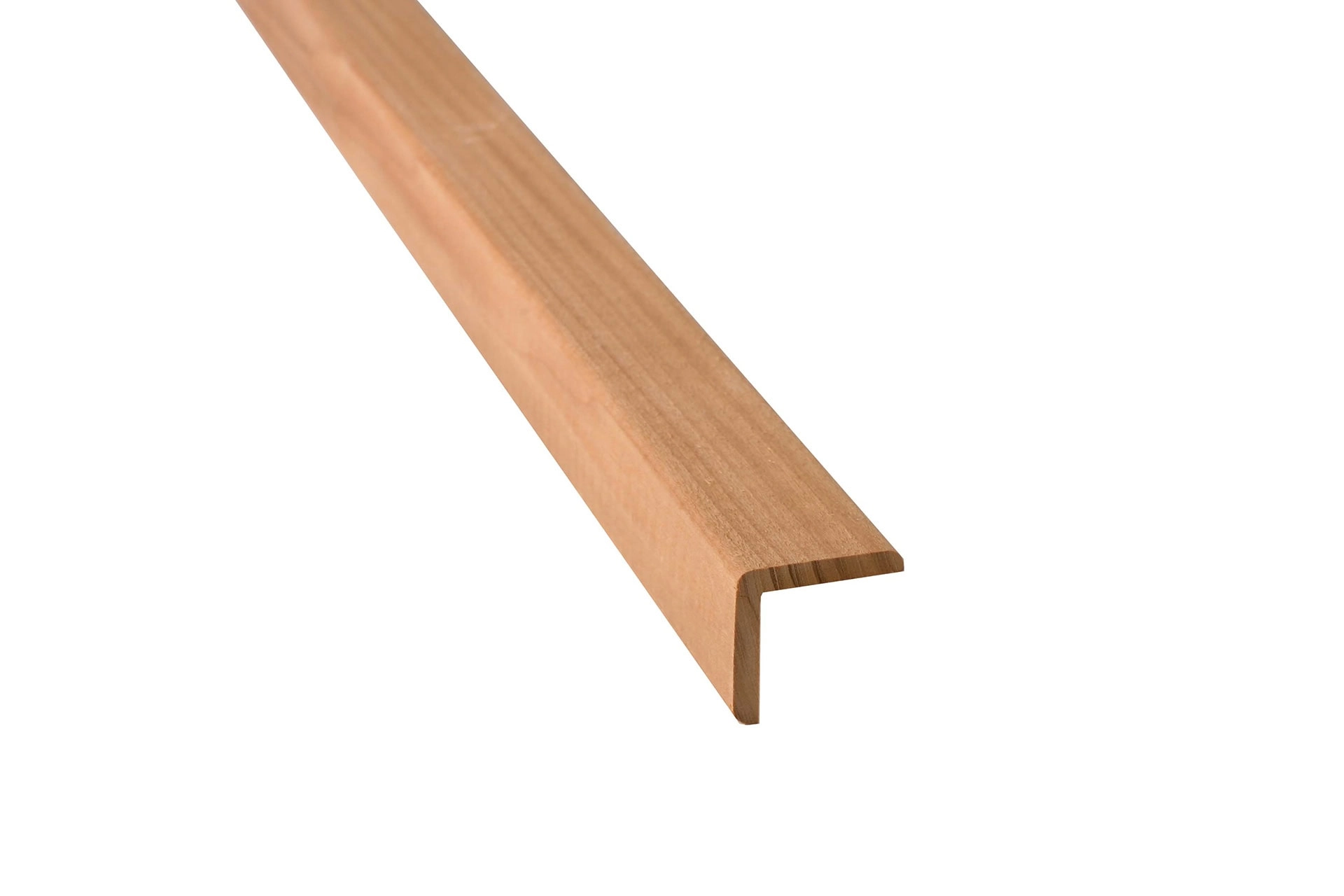
Corner strip exterior thermo aspen
52,67 €
Sauna doors
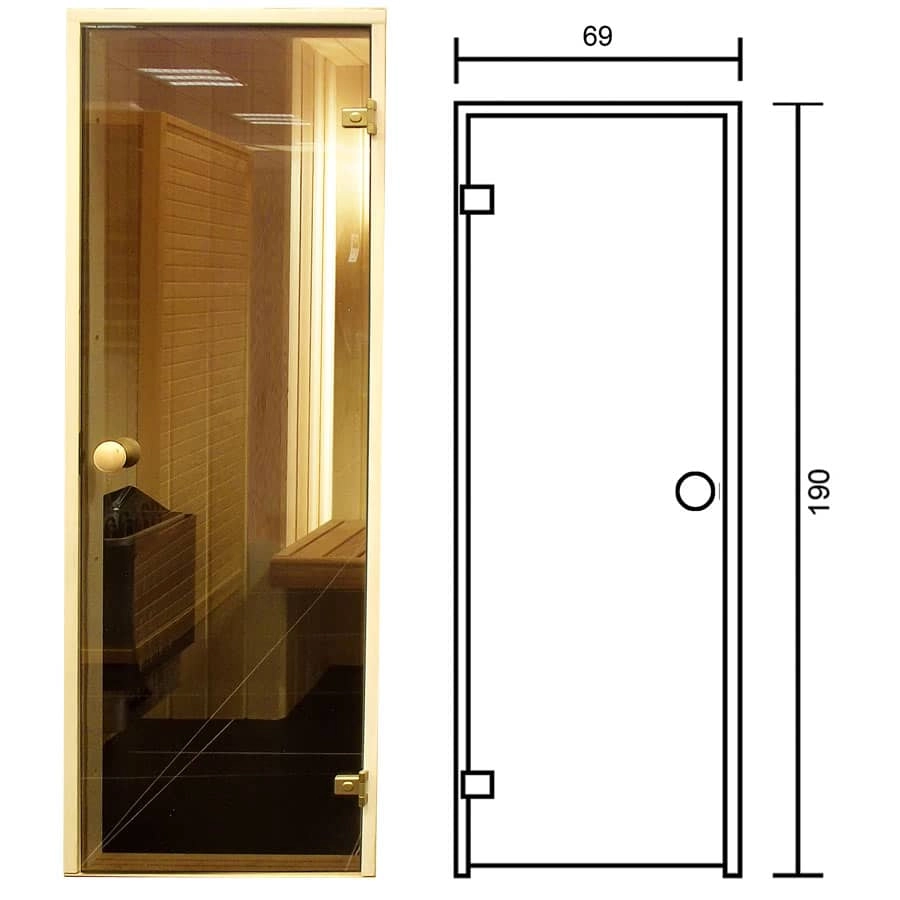
Nordkap sauna door, 69 x 189 cm
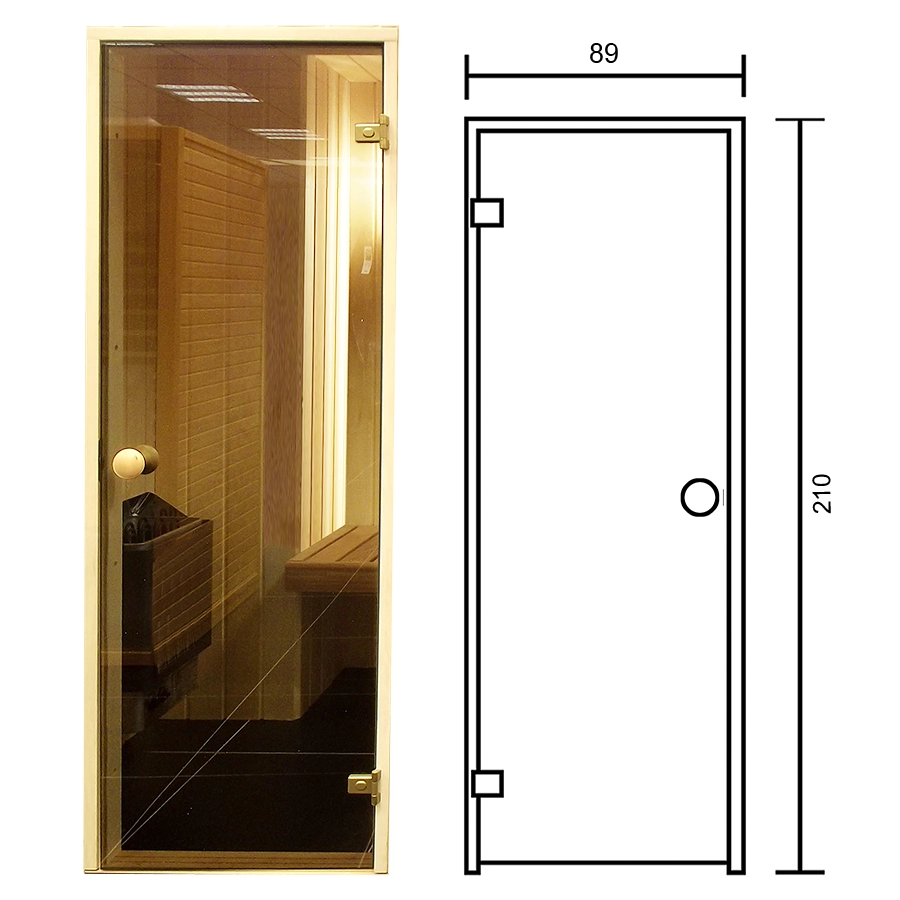
Nordkap sauna door, 89 x 209 cm
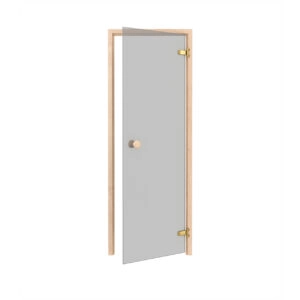
Nordkap sauna door, 99 x 209 cm
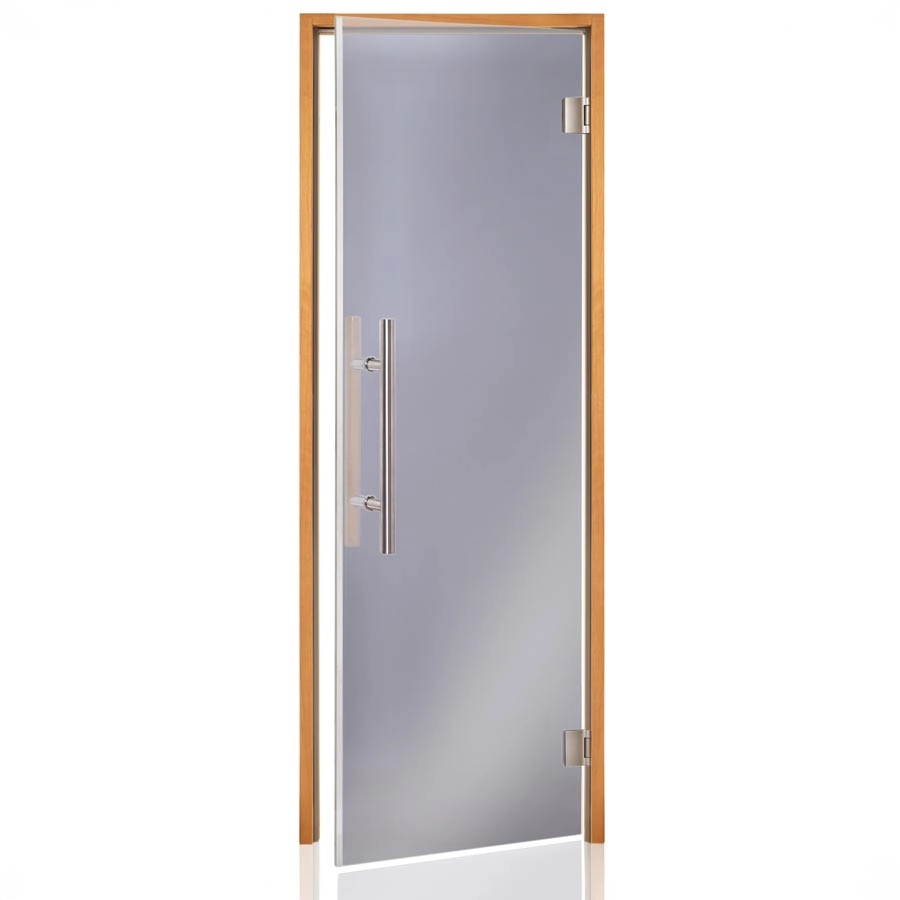
Sauna door premium thermo asp B79 / grey
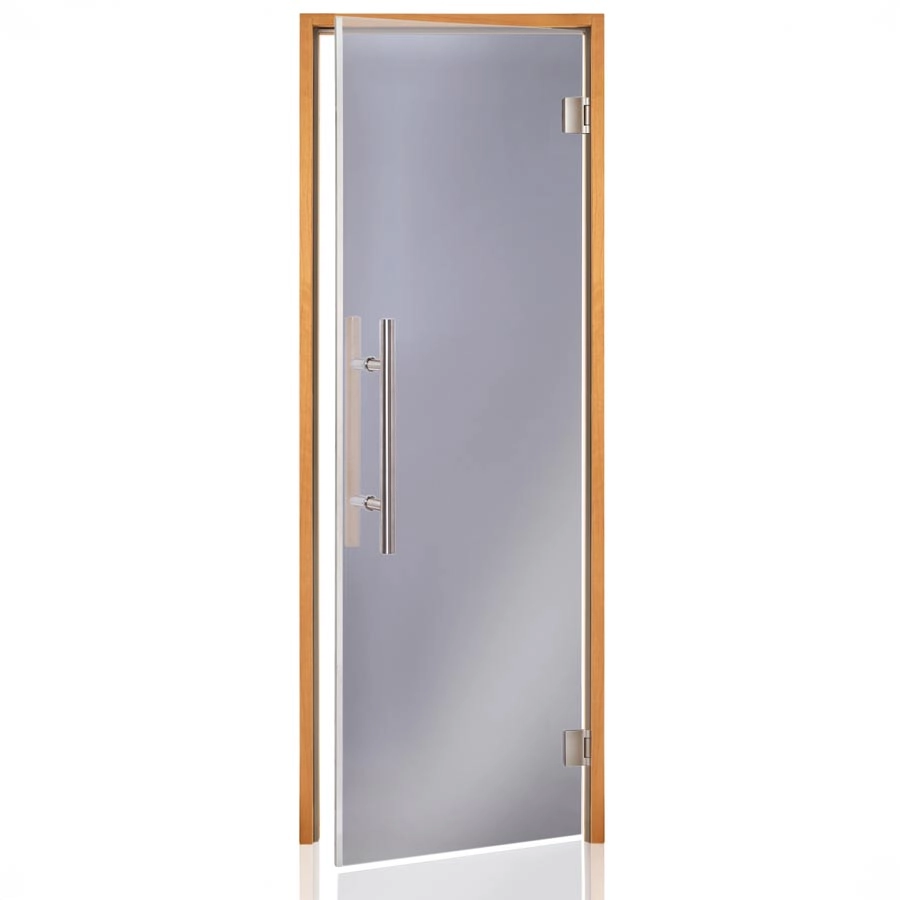
Sauna door premium thermo asp 90 x 210 cm grey
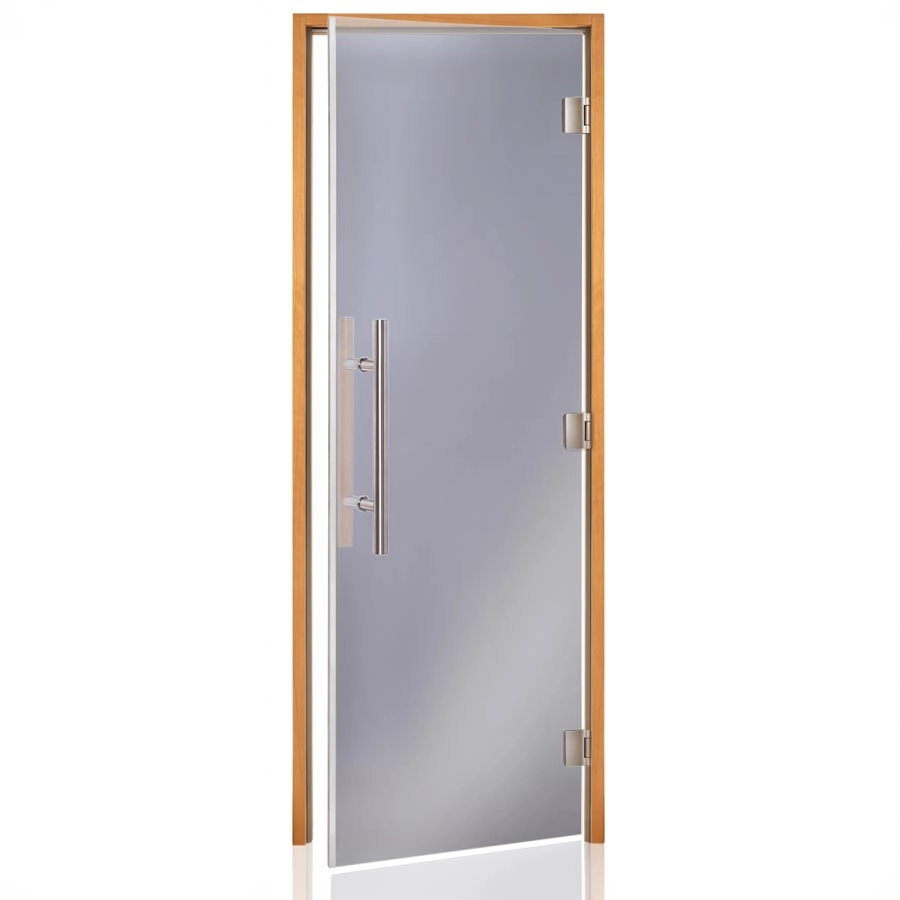
Sauna door premium thermo asp B99 / grey
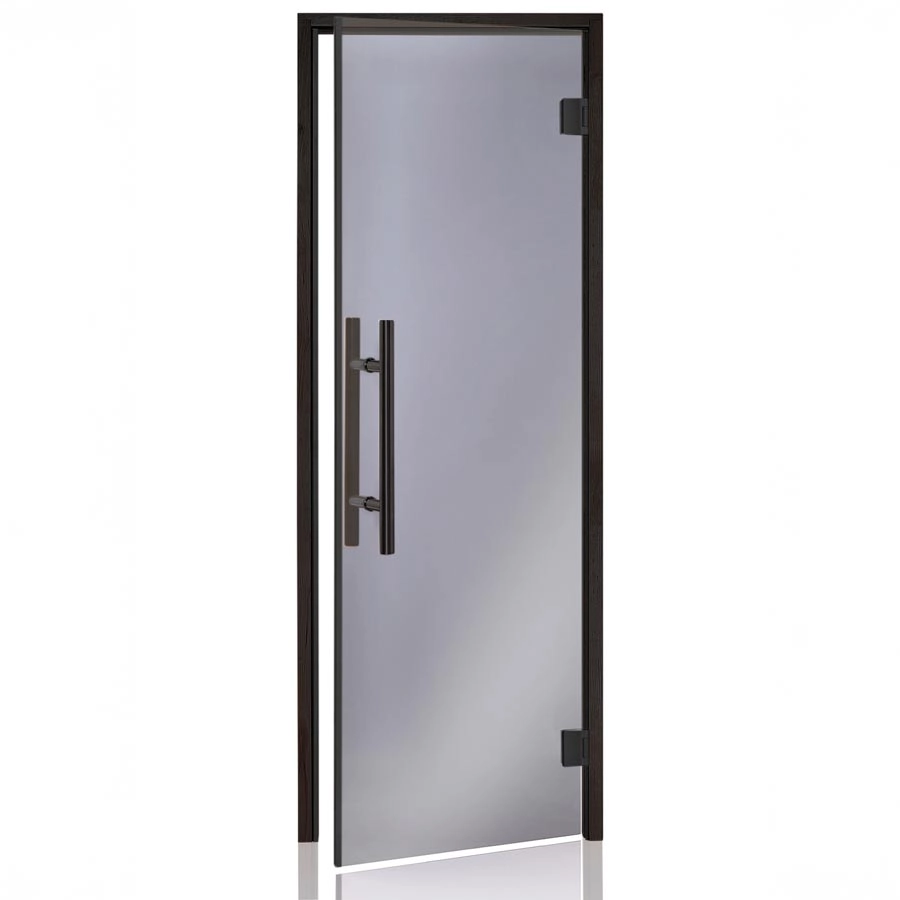
Sauna door premium black B79 / grey
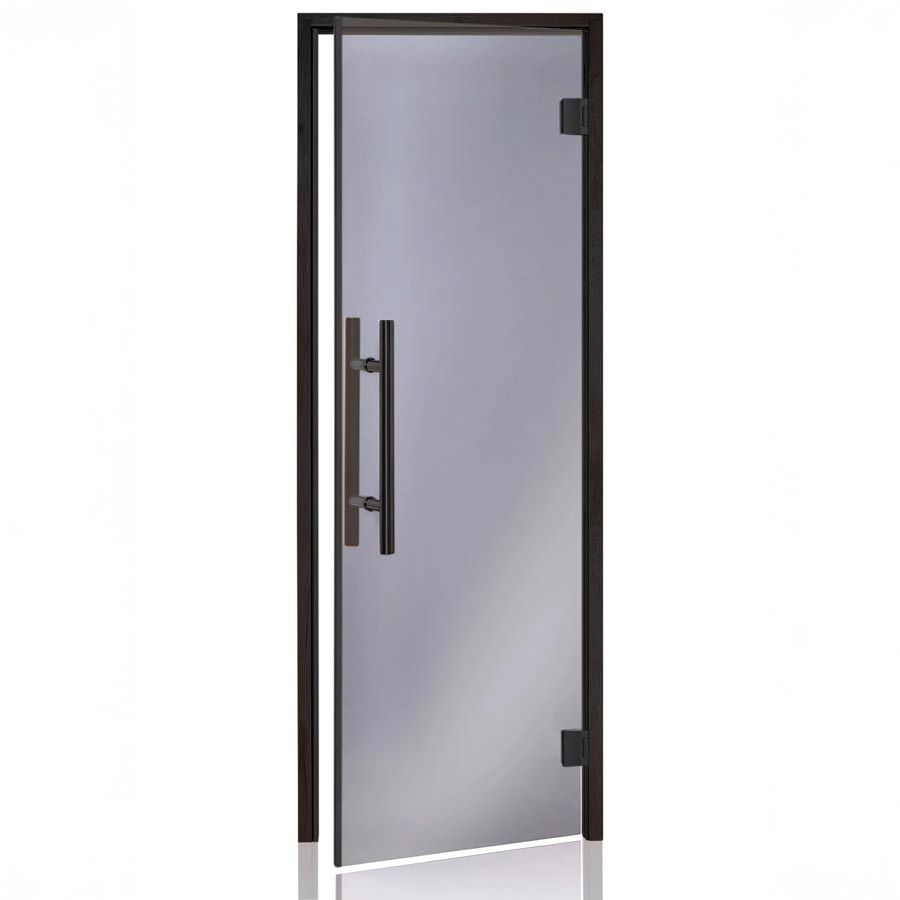
Sauna door premium black B89 / grey
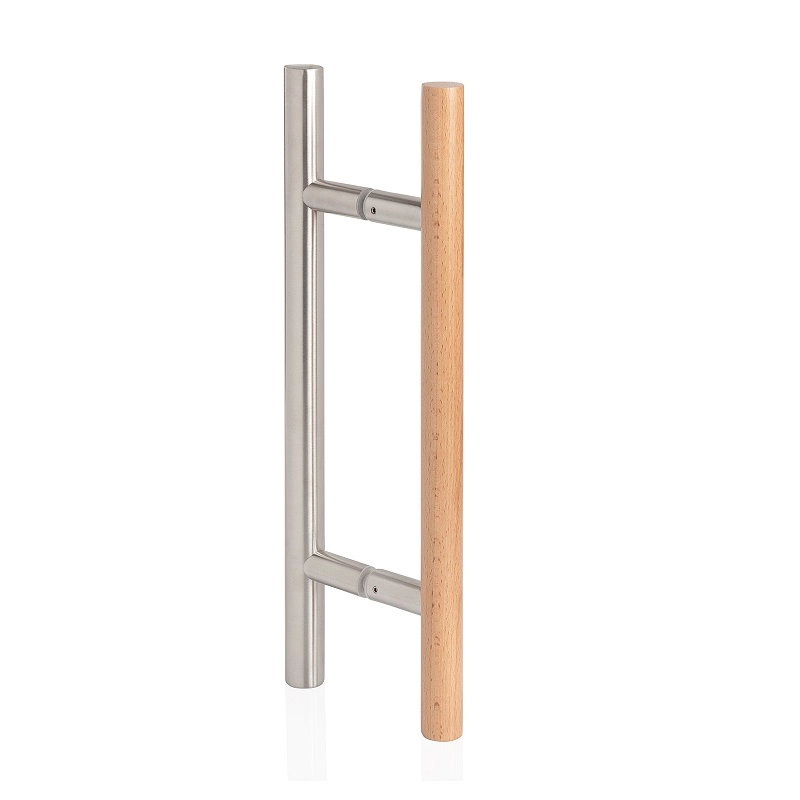
Sauna door handle, steel/wood
239,33 €

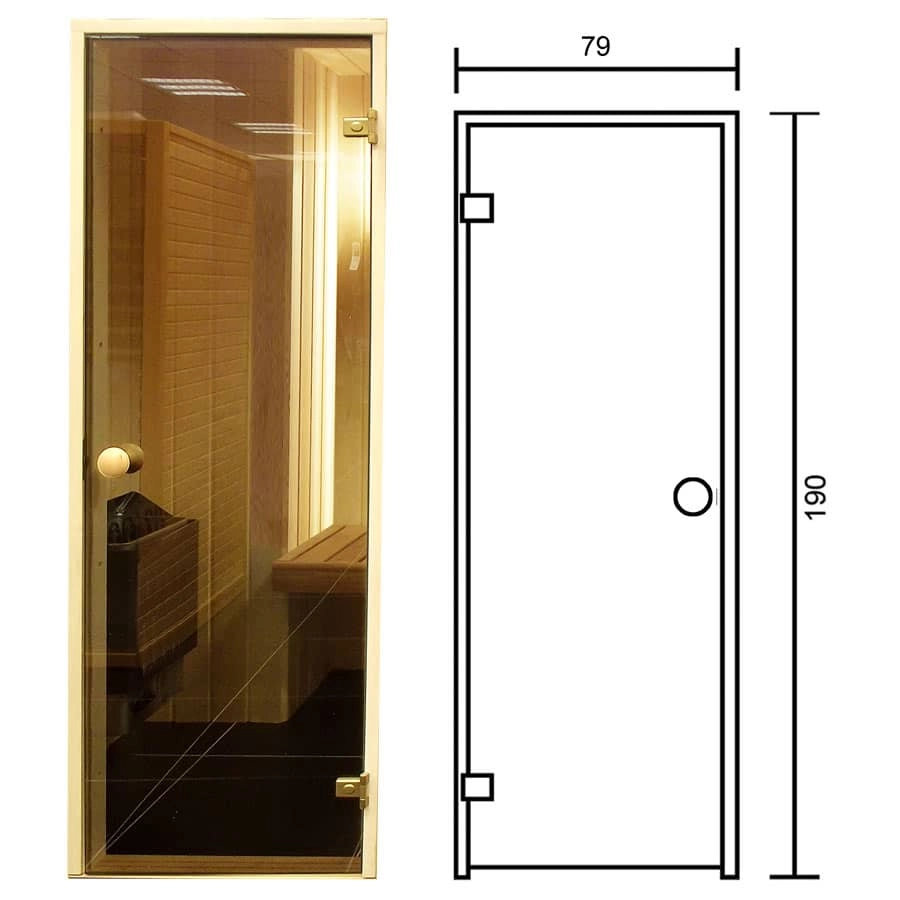
Nordkap sauna door, 79 x 189 cm
Door guides for sauna doors
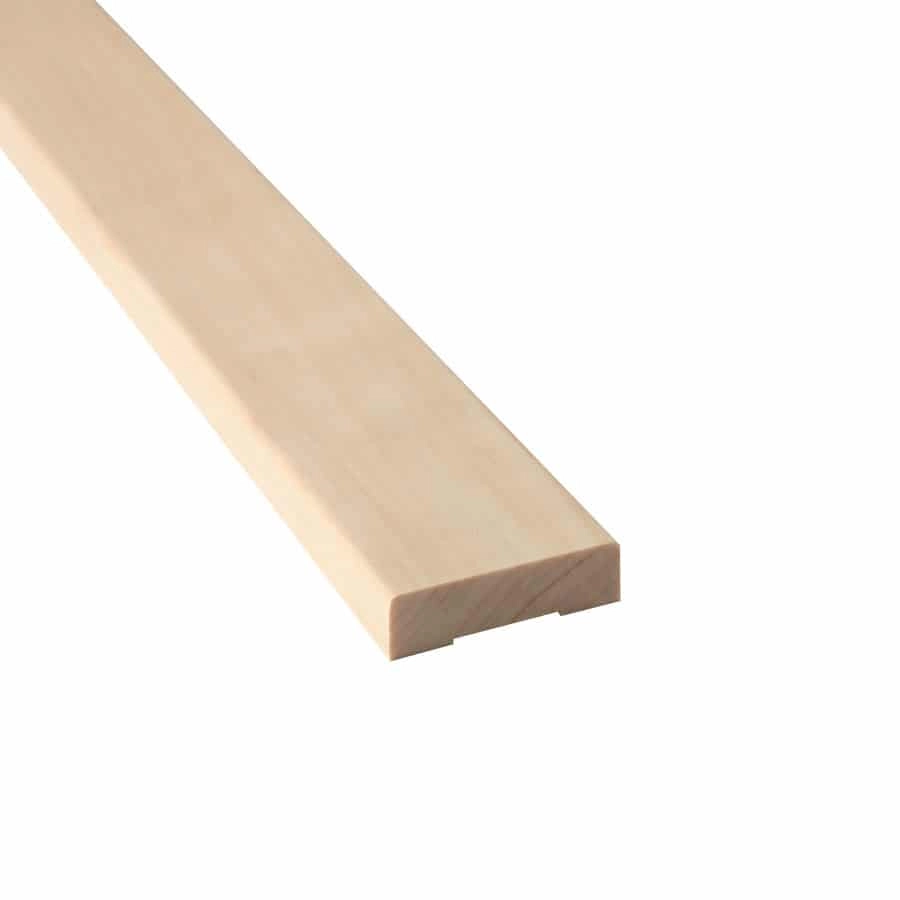
Door frame for sauna, aspen
15,87 €
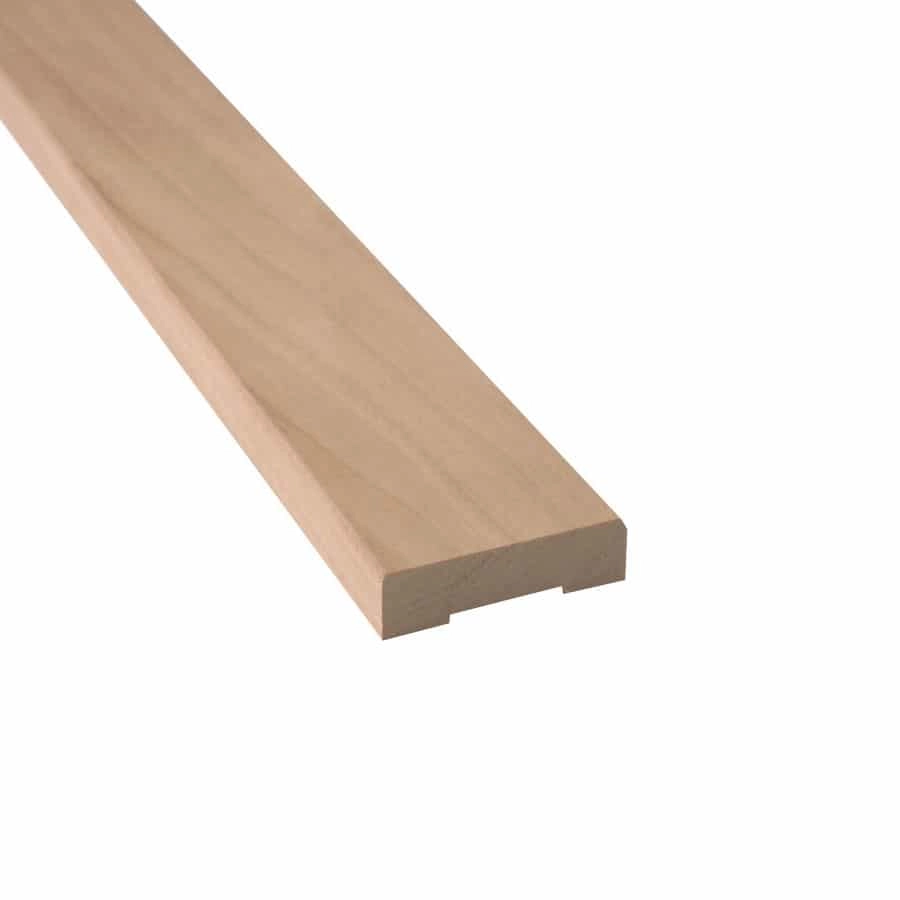
Door to sauna, red
13,20 €
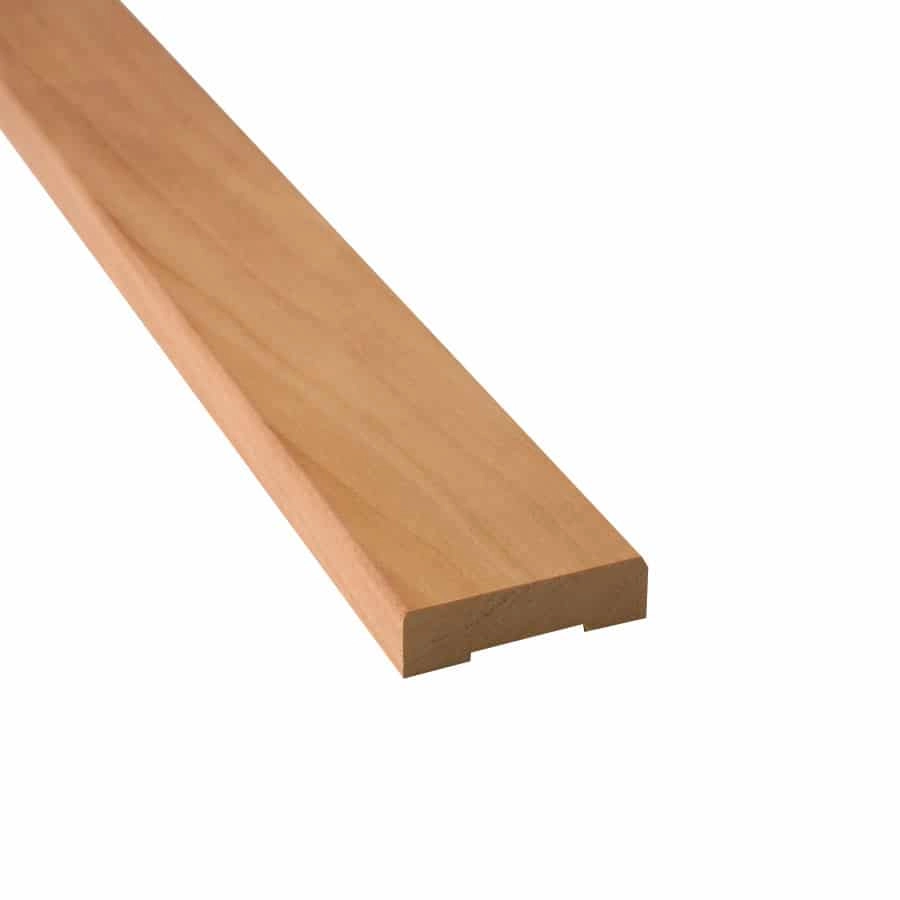
Doors to sauna, thermo-asp
23,33 €
Sauna ventilation
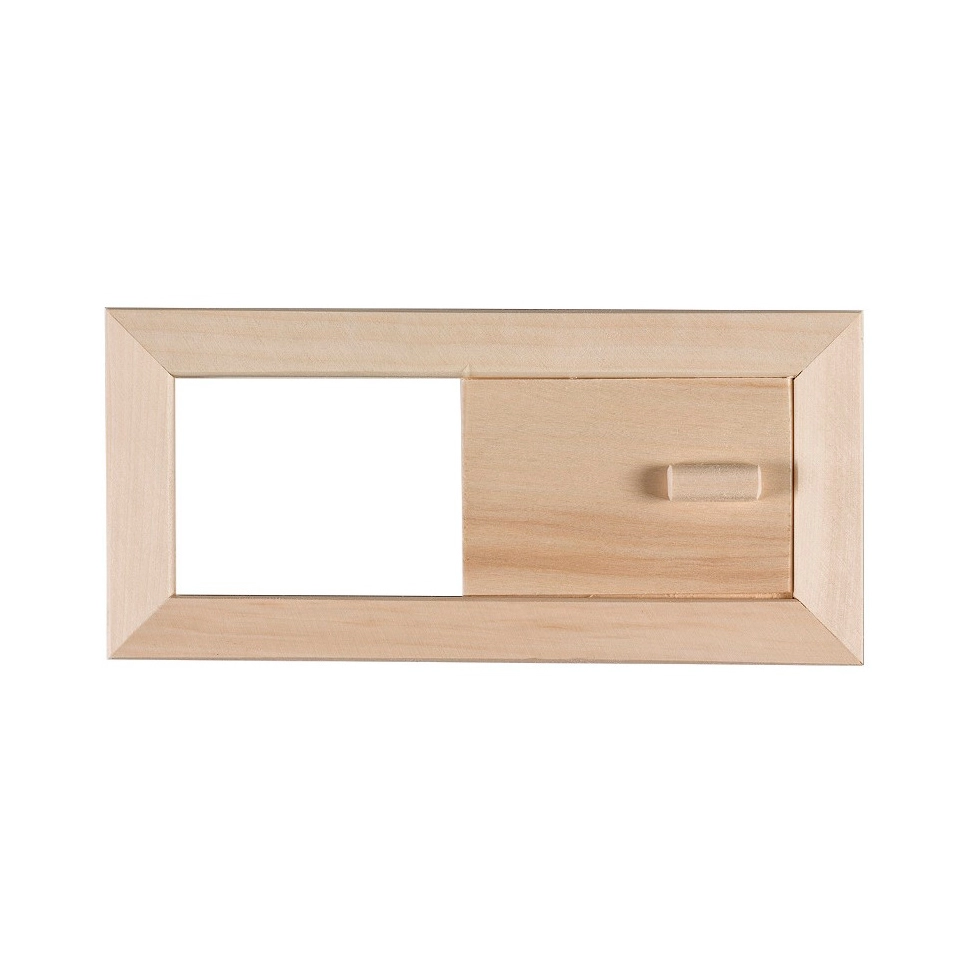
Ventilation hatch for sauna, aspen
59,33 €
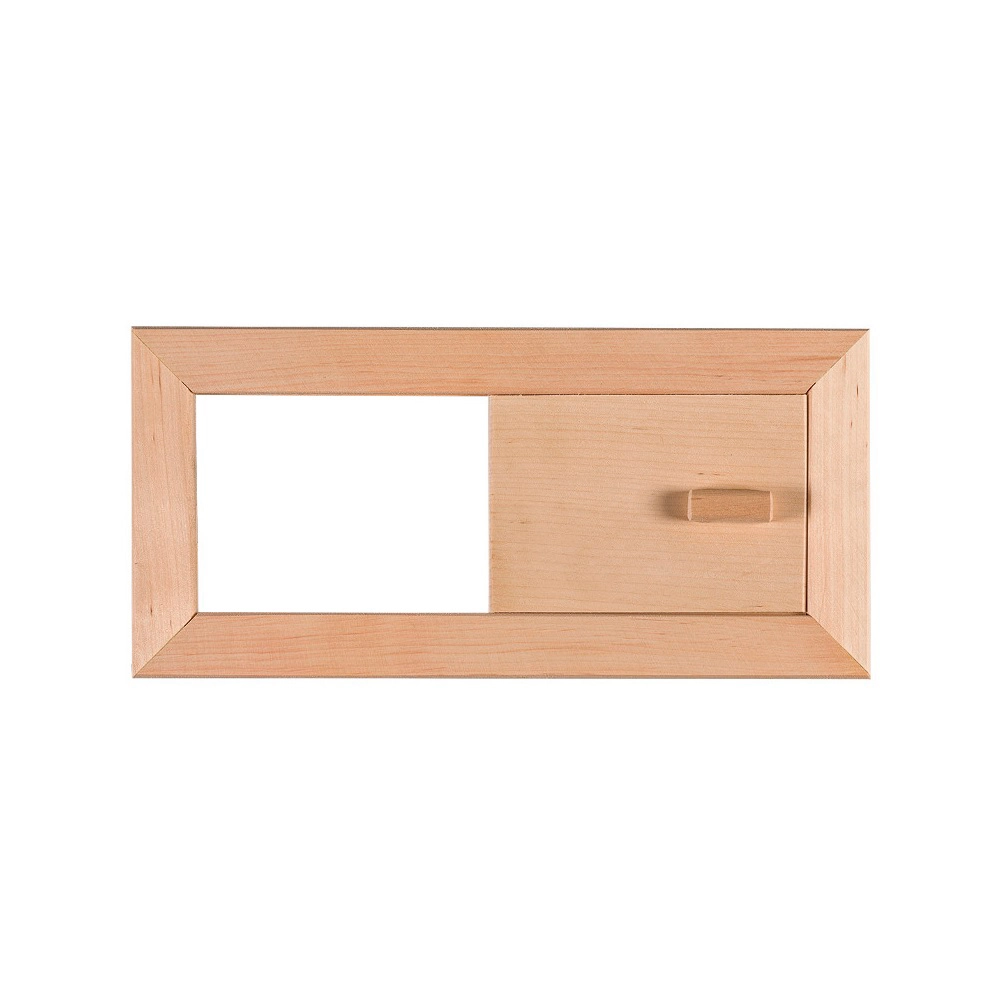
Ventilation hatch for sauna, red
46,00 €
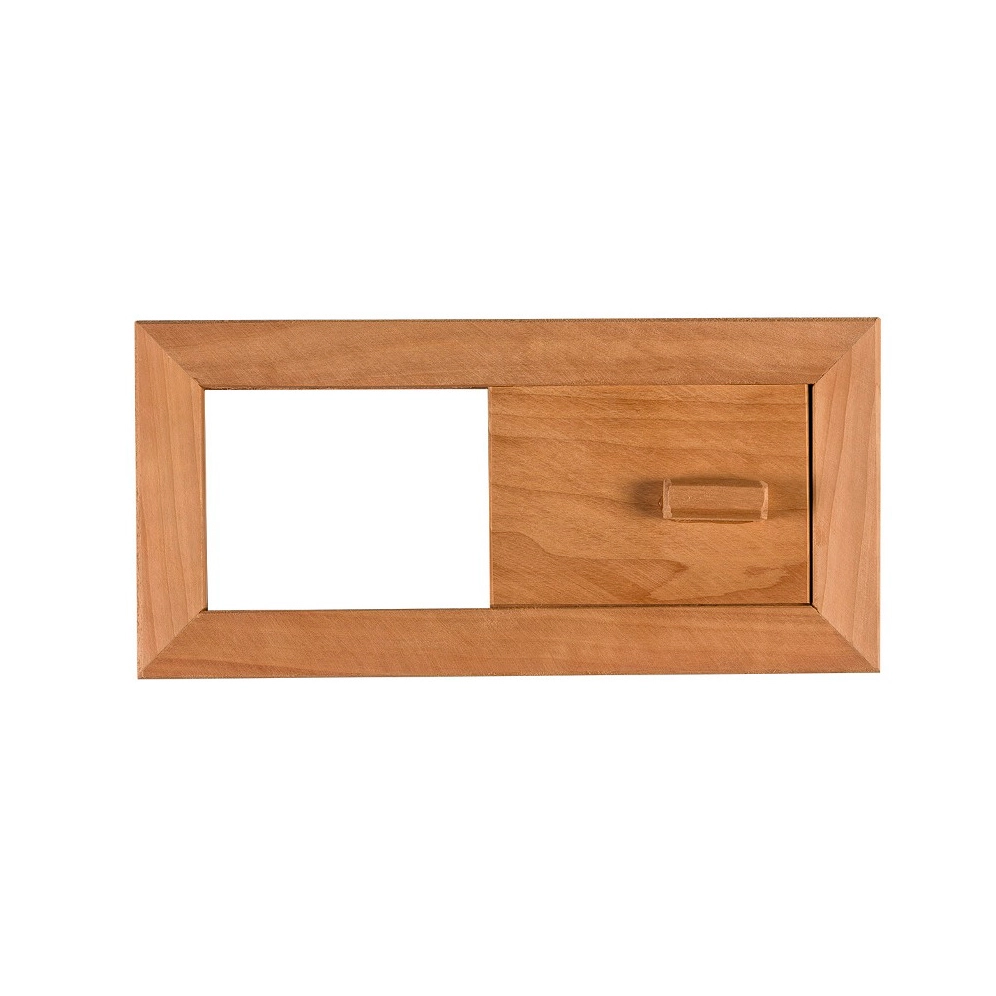
Ventilation joint for sauna, thermal asp
72,67 €
Interior design
Heat-treated wood
For thousands of years, people have been heat-treating wood to make it more durable and stronger. The latest techniques allow heat treatment in large-scale production. In advanced ovens, the wood is heated to 180 °C under 9 bar pressure. This way, it takes less time and lower temperatures — less energy — to treat the wood, and the treatment is chemical-free.
Heat-treated aspen has an outdoor lifespan of more than 25 years, while heat-treated spruce or pine, for example, has a lifespan of between 15 and 25 years, according to studies conducted by the University of Freiburg (Germany).
Aspen trees are birch-like trees that grow in the Northern Hemisphere.
Sauna benches
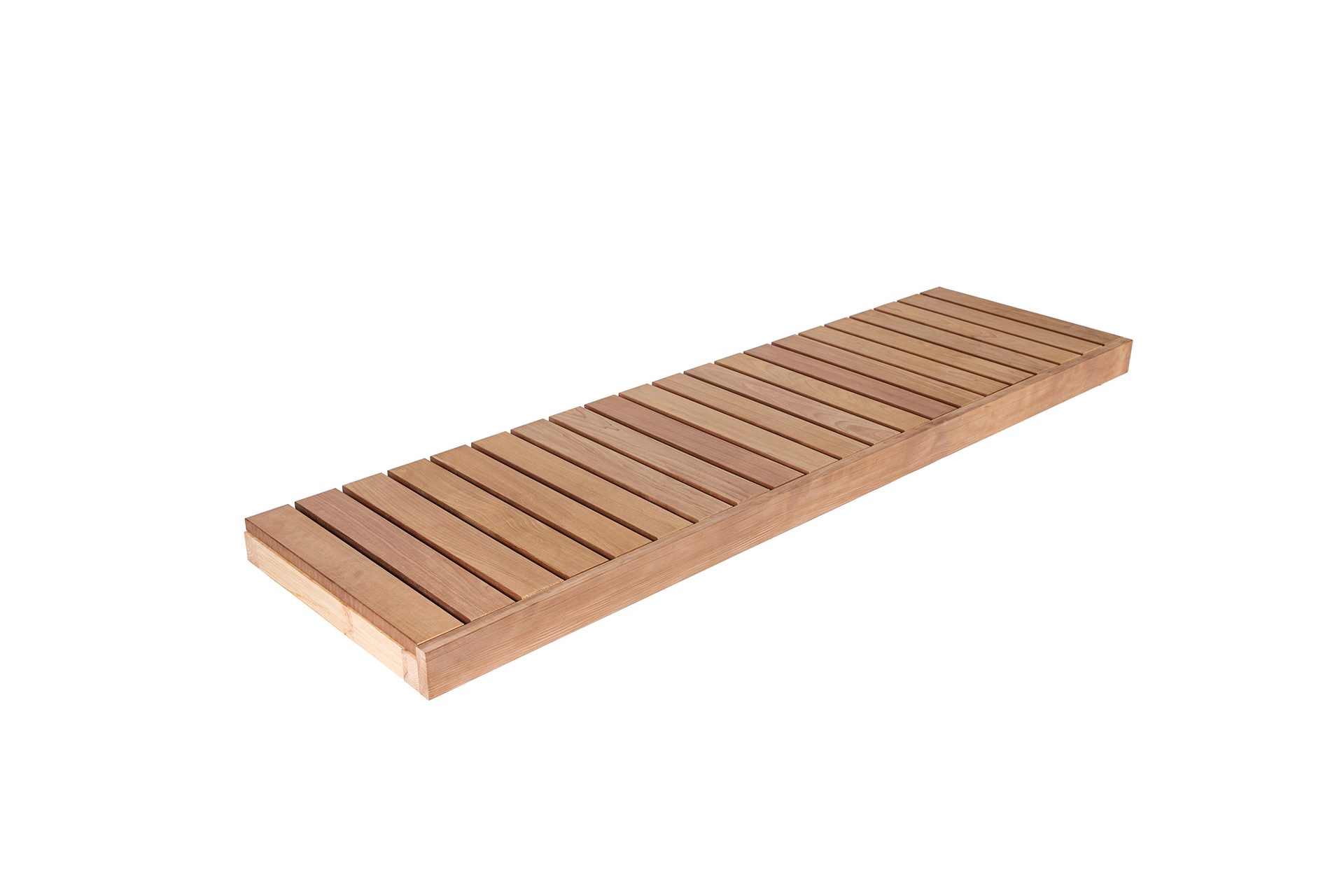
Nordkap sauna bench, 200 x 40 cm, thermal asp
279,33 €
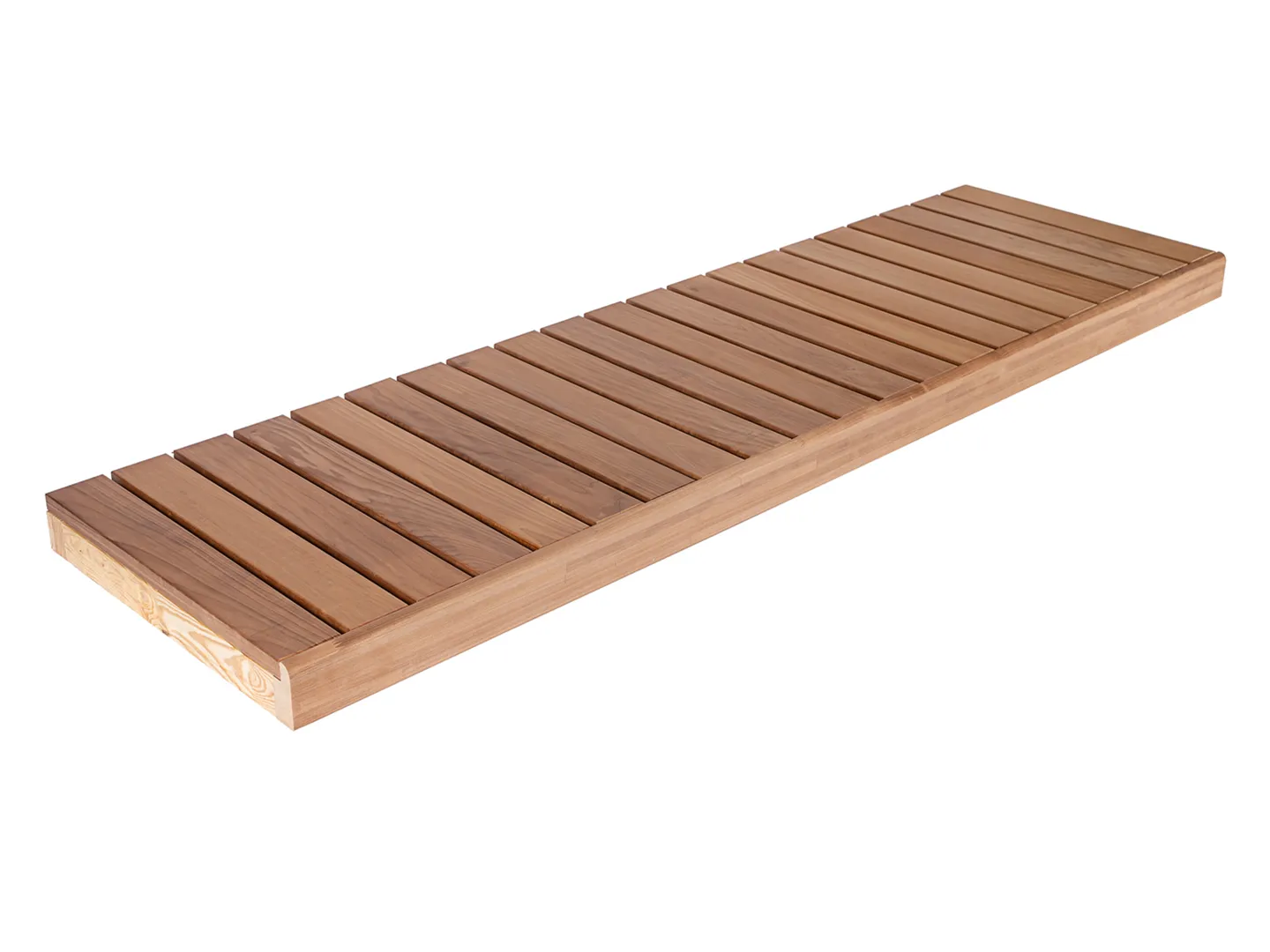
Nordkap sauna bench, 200 x 50 cm, thermal asp
292,67 €
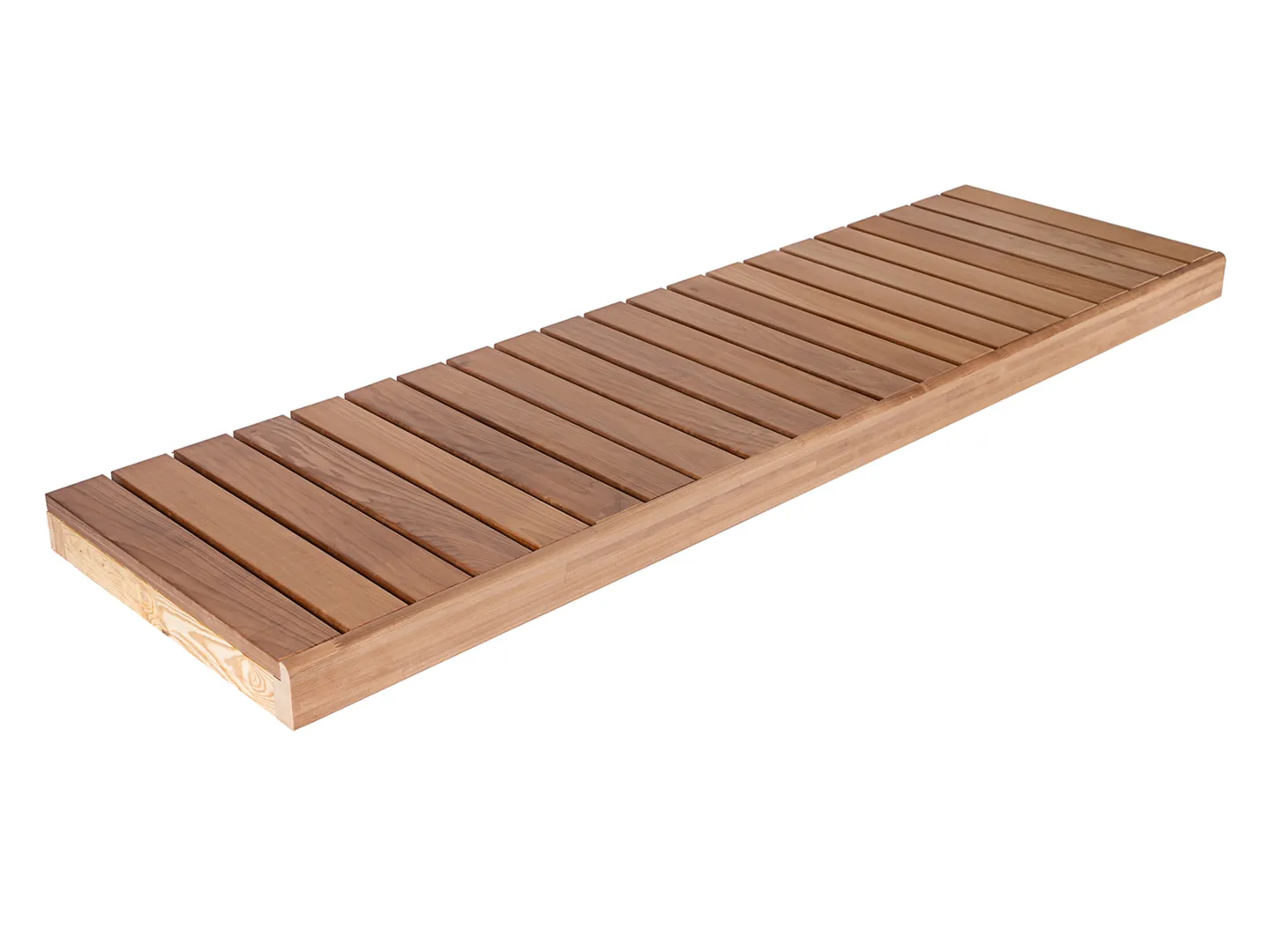
Nordkap sauna bench, 200 x 60 cm, thermal asp
312,67 €
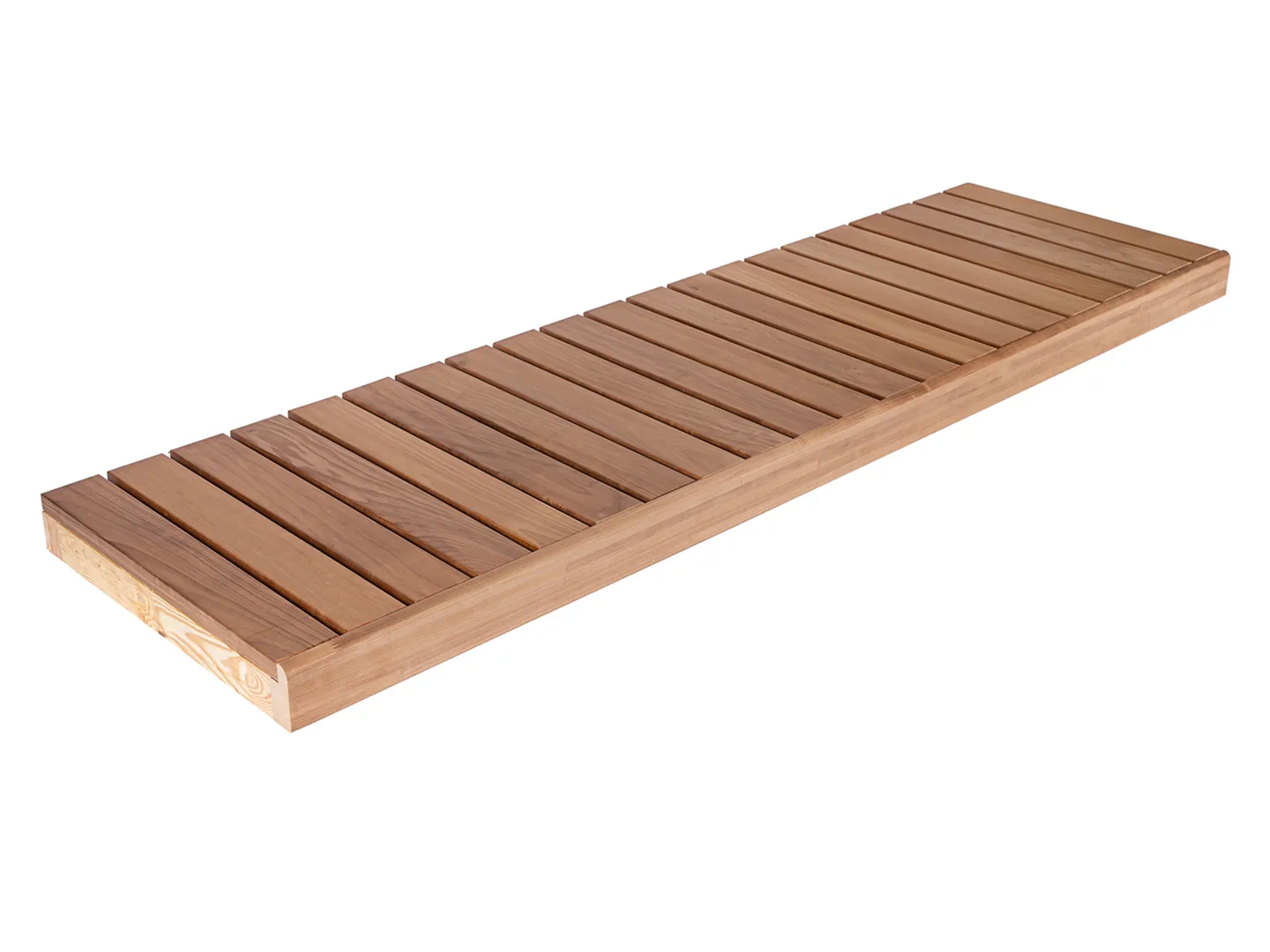
Nordkap sauna bench, 240 x 40 cm, thermal asp
326,00 €
Nordkap sauna bench, 240 x 50 cm, thermal asp
346,00 €
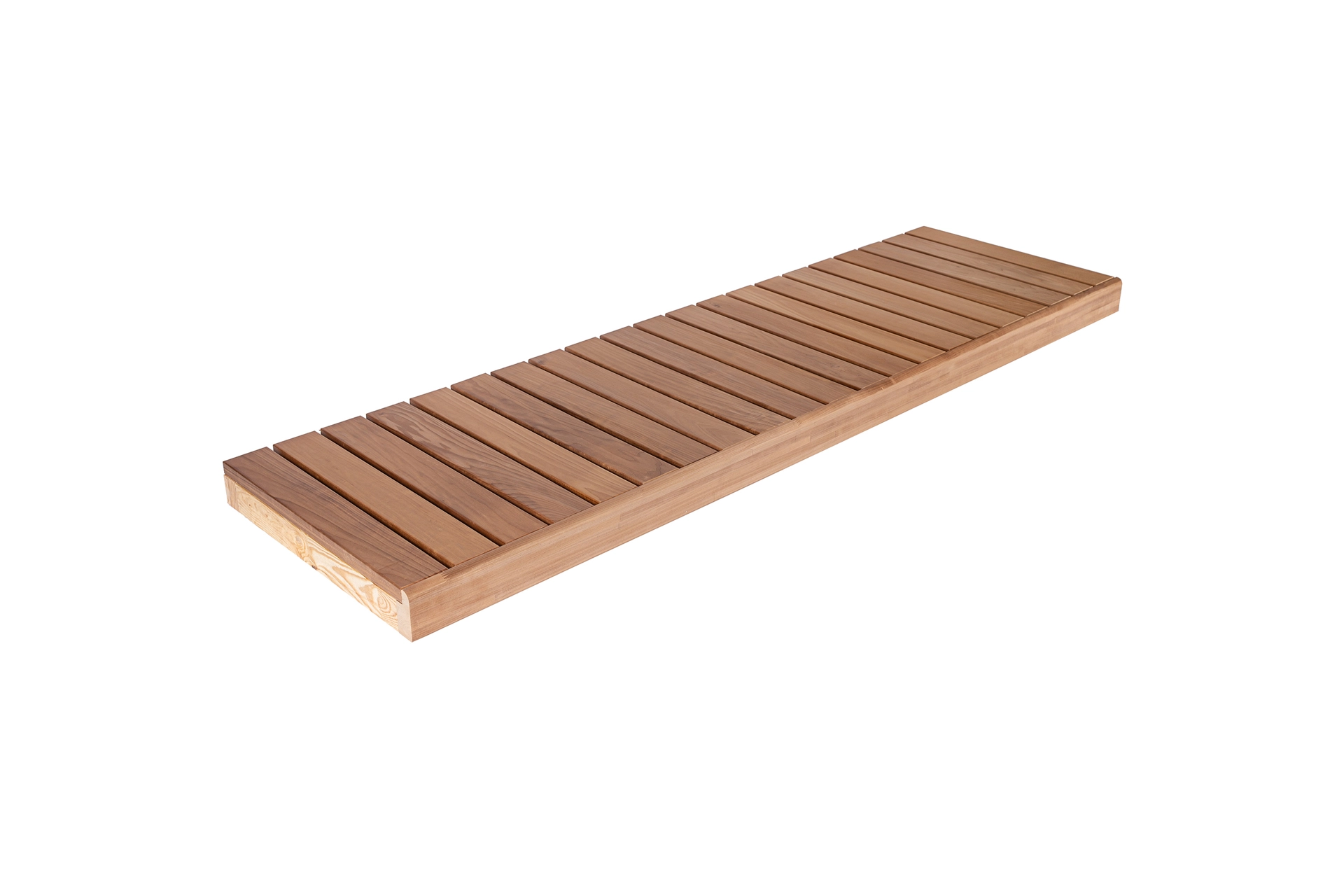
Nordkap sauna bench, 240 x 60 cm, thermal asp
359,33 €
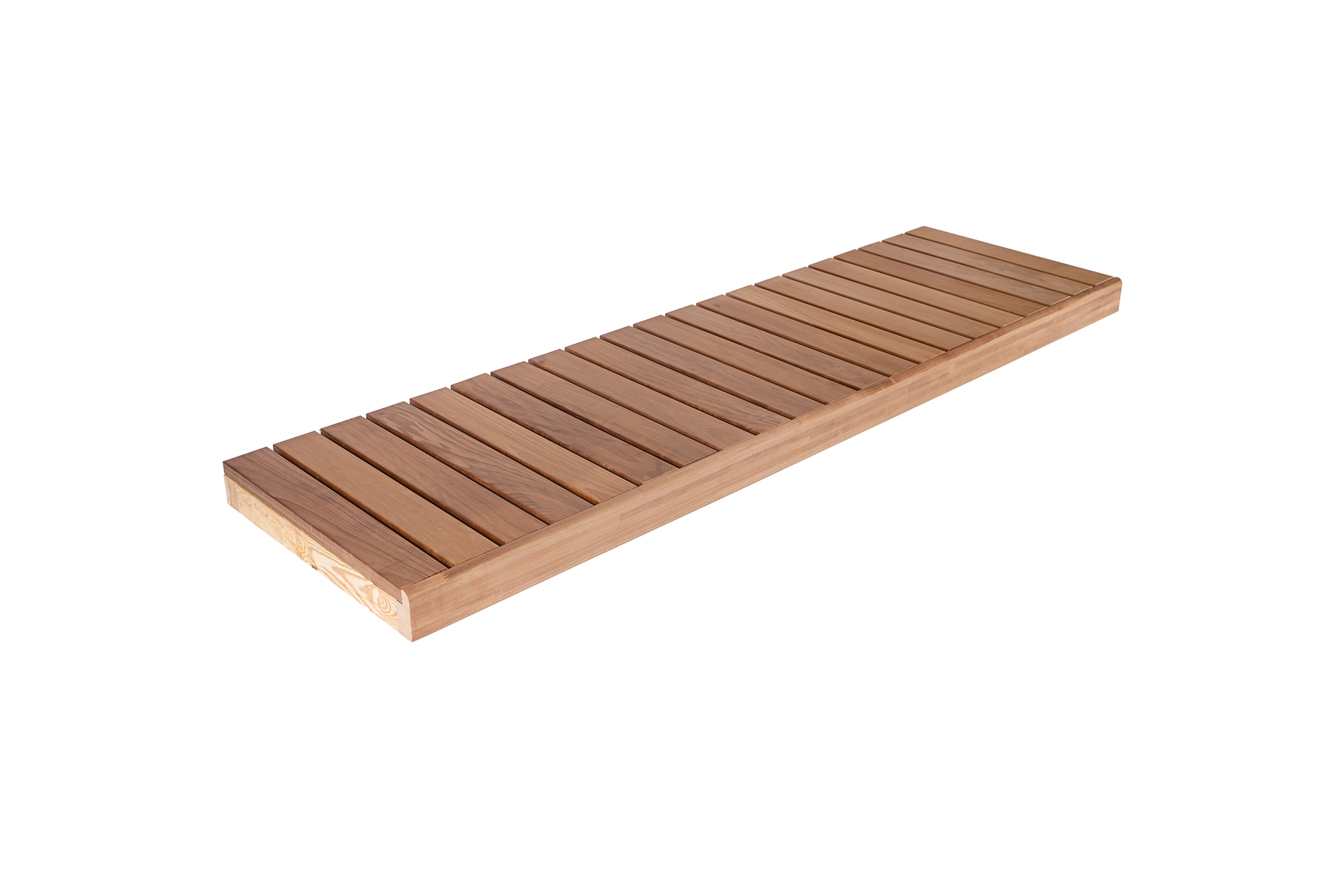
Nordkap sauna bench, 300 x 50 cm, thermal asp
426,00 €
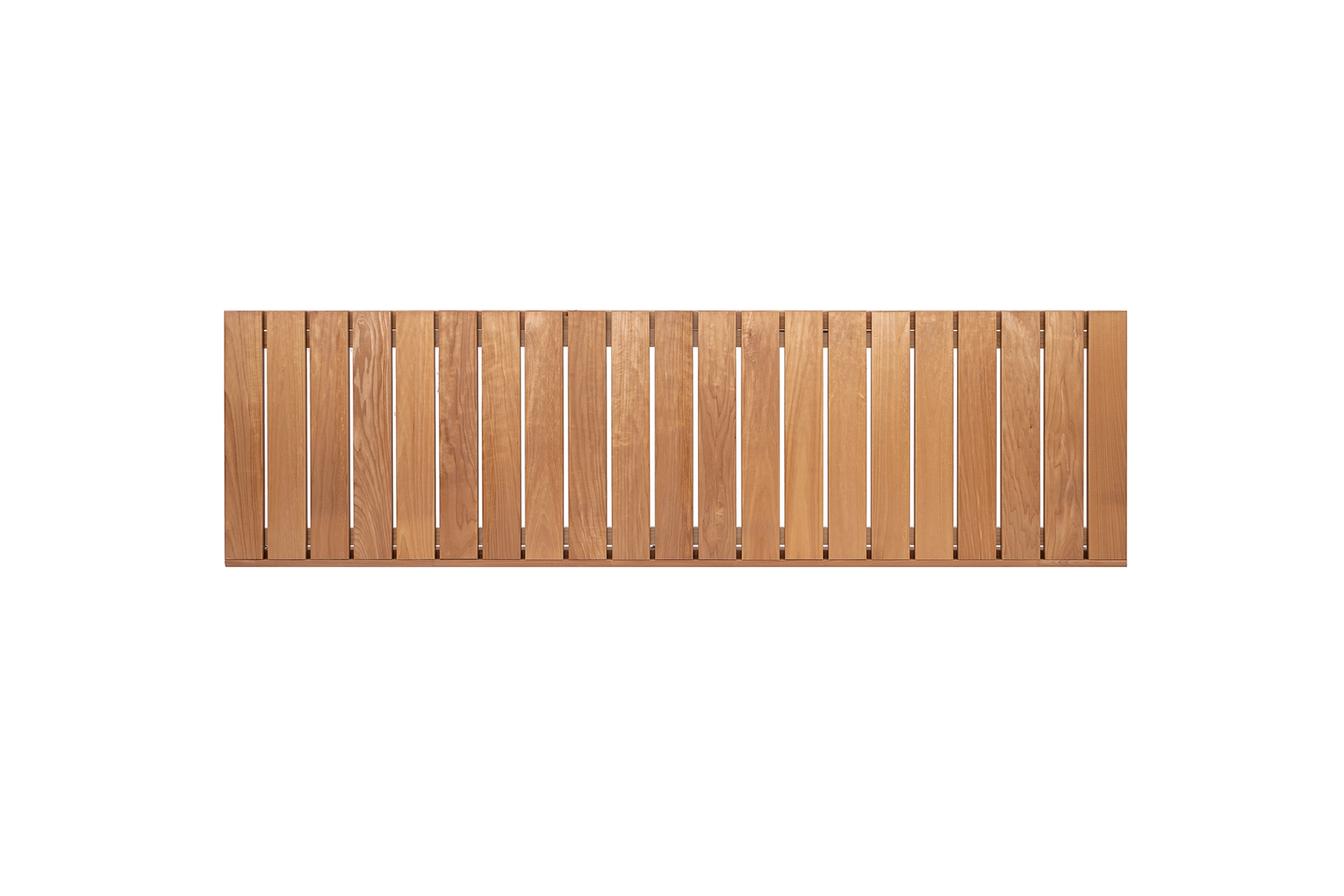
Nordkap sauna bench, 300 x 60 cm, thermal asp
439,33 €
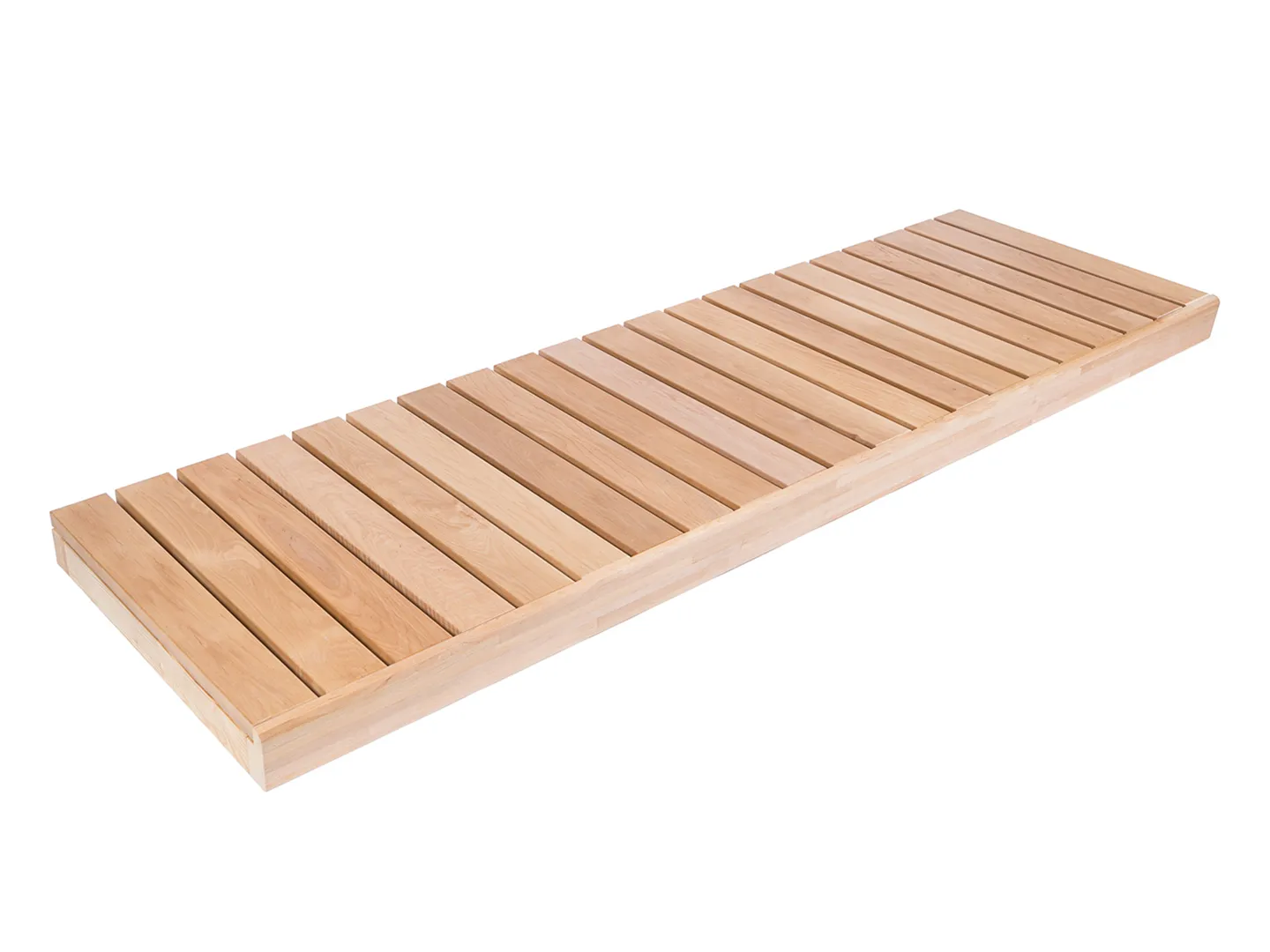
Nordkap sauna bench, 200 x 40 cm, red elm
199,33 €
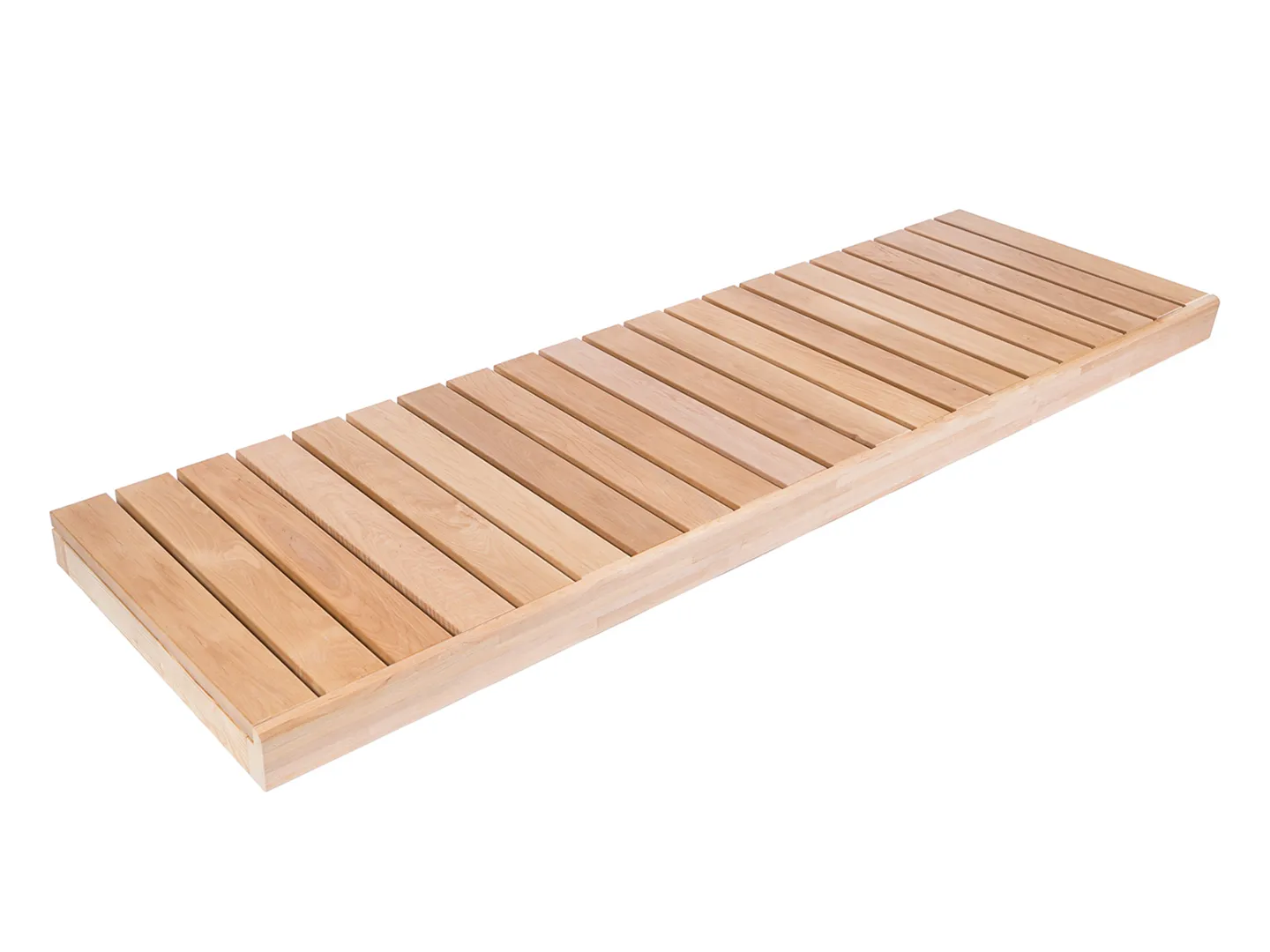
Nordkap sauna bench, 200 x 50 cm, red elm 9 cm
212,67 €
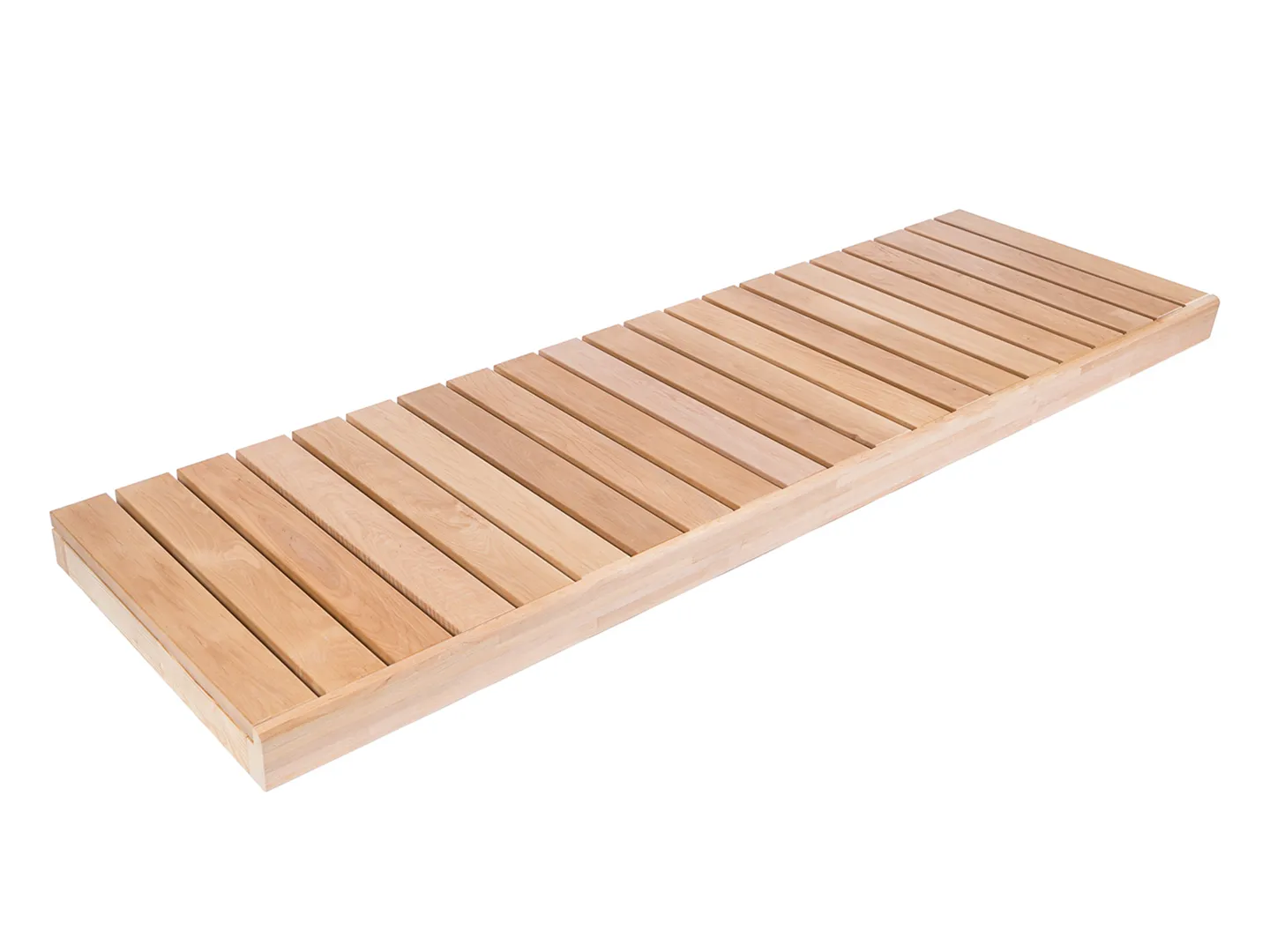
Nordkap sauna bench, 200 x 60 cm, red elm
226,00 €
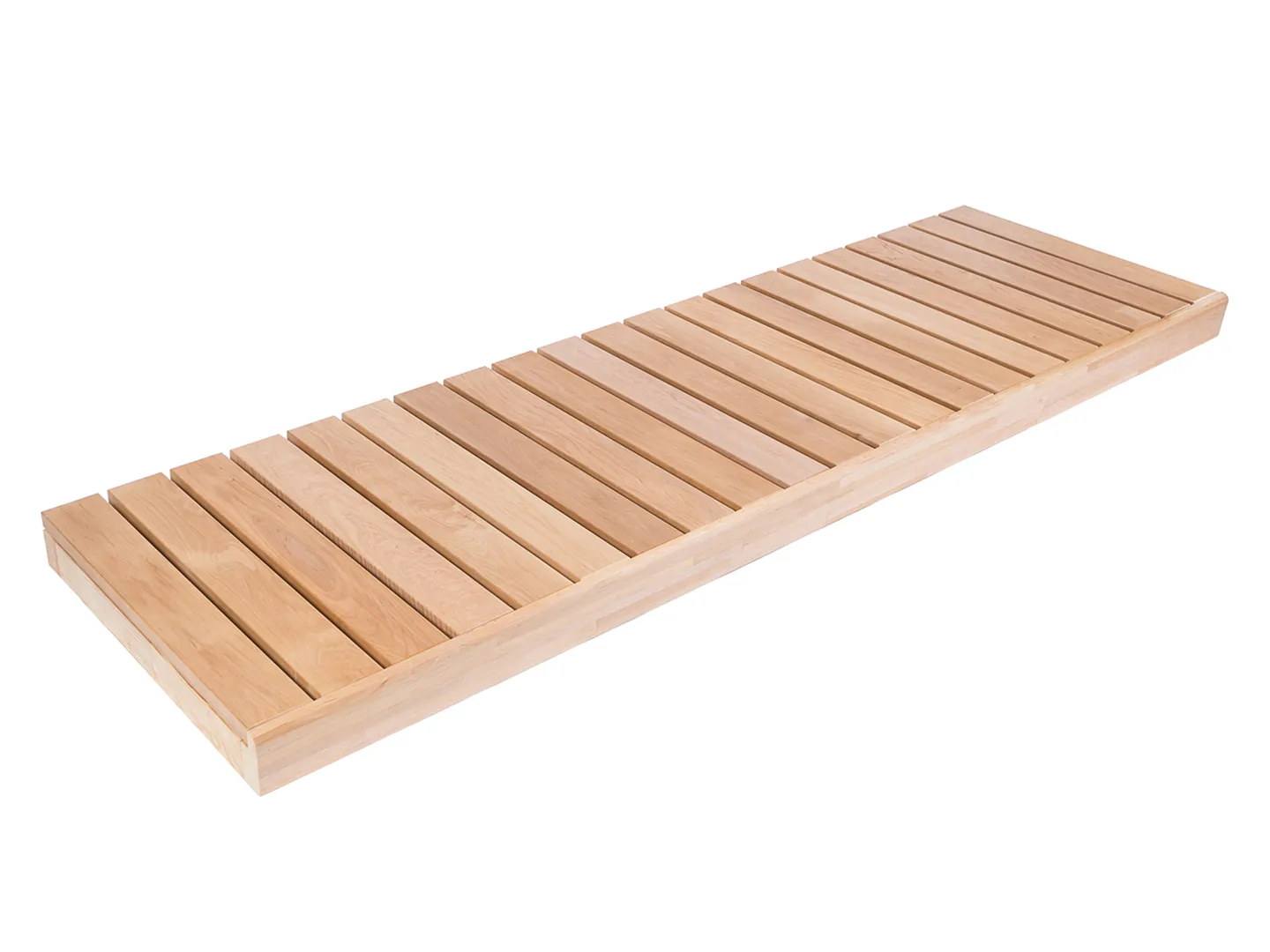
Nordkap sauna bench, 240 x 40 cm, red elm
272,67 €
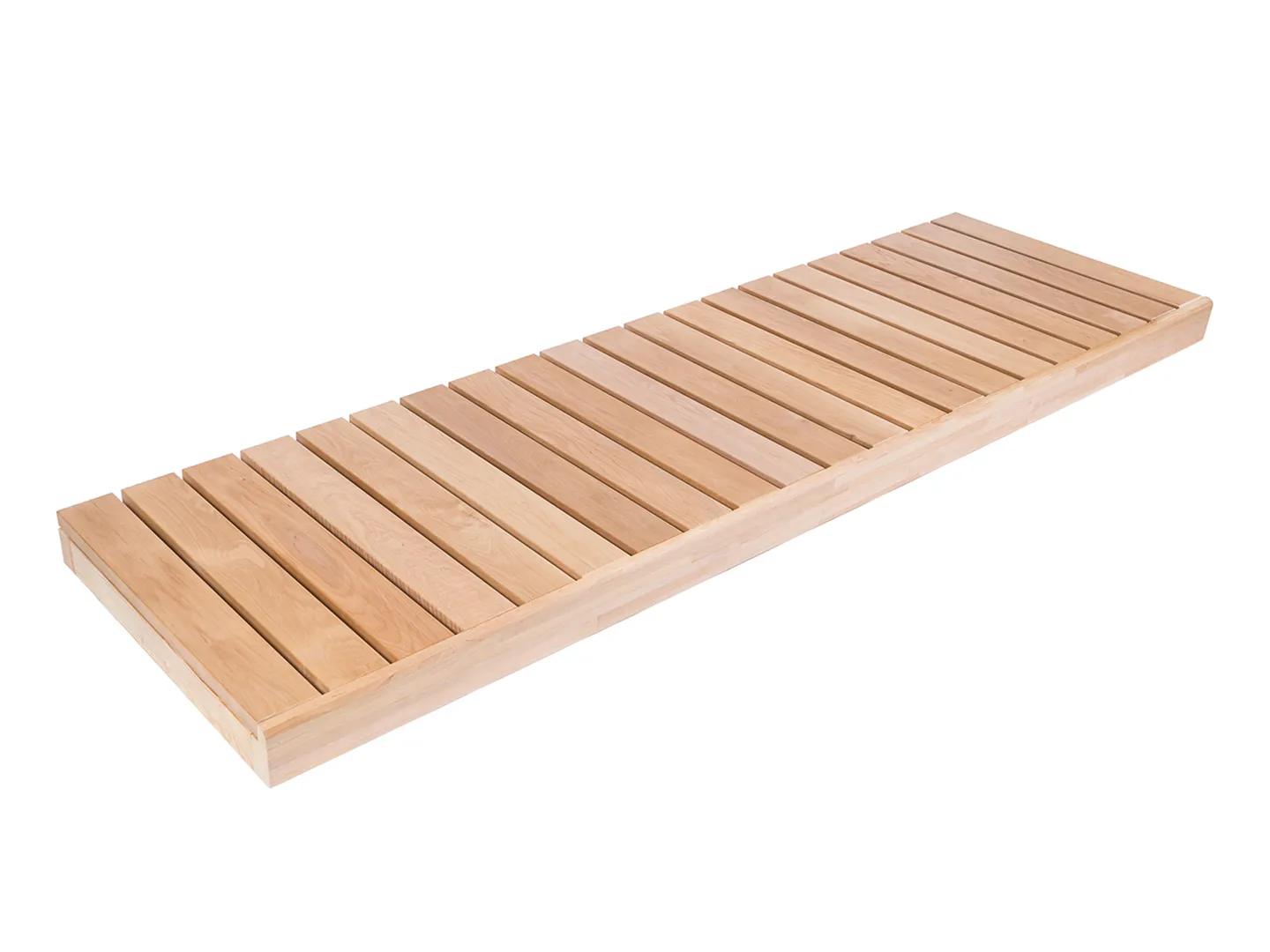
Nordkap sauna bench, 240 x 50 cm, red elm
286,00 €
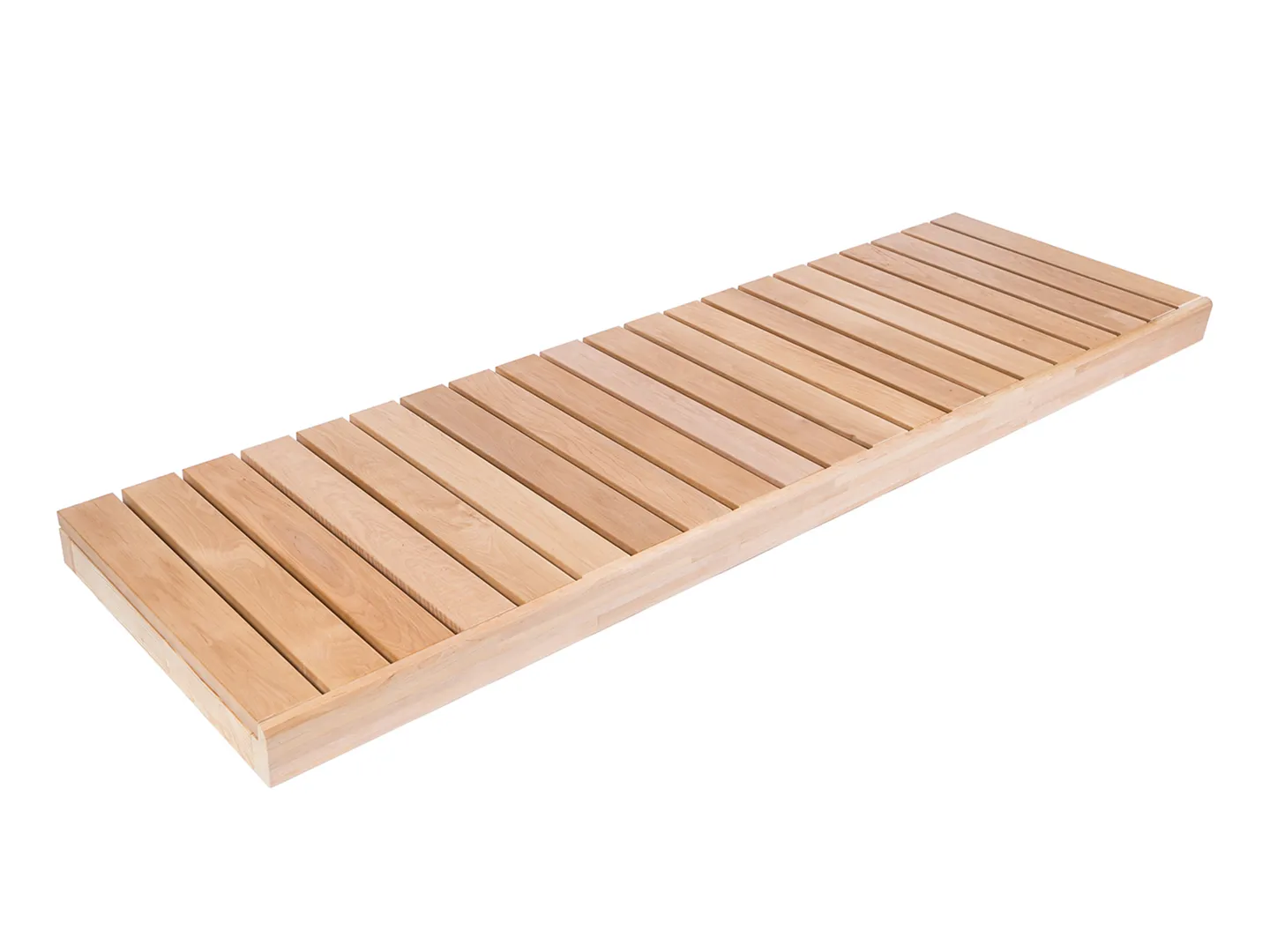
Nordkap sauna bench, 240 x 60 cm, red elm 9 cm
299,33 €

Sauna bench 180 x 40 x 14 cm thermal aspen
332,67 €
Sauna bench 180 x 50 x 14 cm thermal aspen
359,33 €
Sauna bench 180 x 60 x 14 cm thermal aspen
379,33 €
Sauna bench 210 x 40 x 14 cm thermal aspen
346,00 €
Sauna bench 210 x 50 x 14 cm thermal aspen
359,33 €
Sauna bench 210 x 60 x 14 cm thermal aspen
379,33 €
Sauna bench 240 x 40 x 14 cm thermal aspen
392,67 €
Sauna bench 240 x 50 x 14 cm thermal aspen
412,67 €
Sauna bench 240 x 60 x 14 cm thermal aspen
426,00 €
Sauna bench 300 x 50 x 14 cm thermal aspen
492,67 €
Sauna bench 300 x 60 x 14 cm thermal aspen
506,00 €
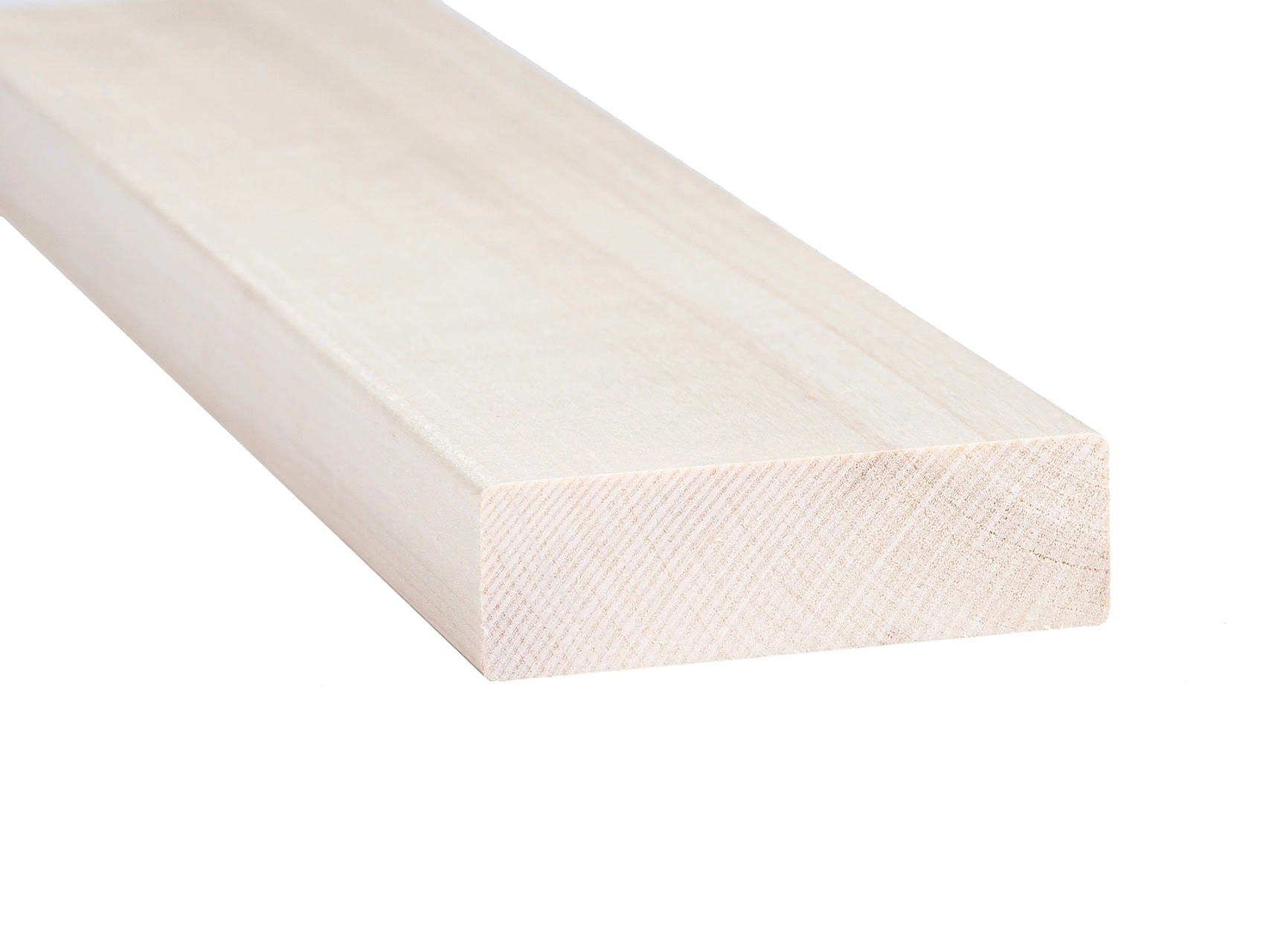
Boards for benches, aspen, 2.8 H x W: 6.5 cm x 270 cm L
21,20 €
Boards for benches, aspen, 2.8 H x W: 9.0 cm x 270 cm L
37,20 €
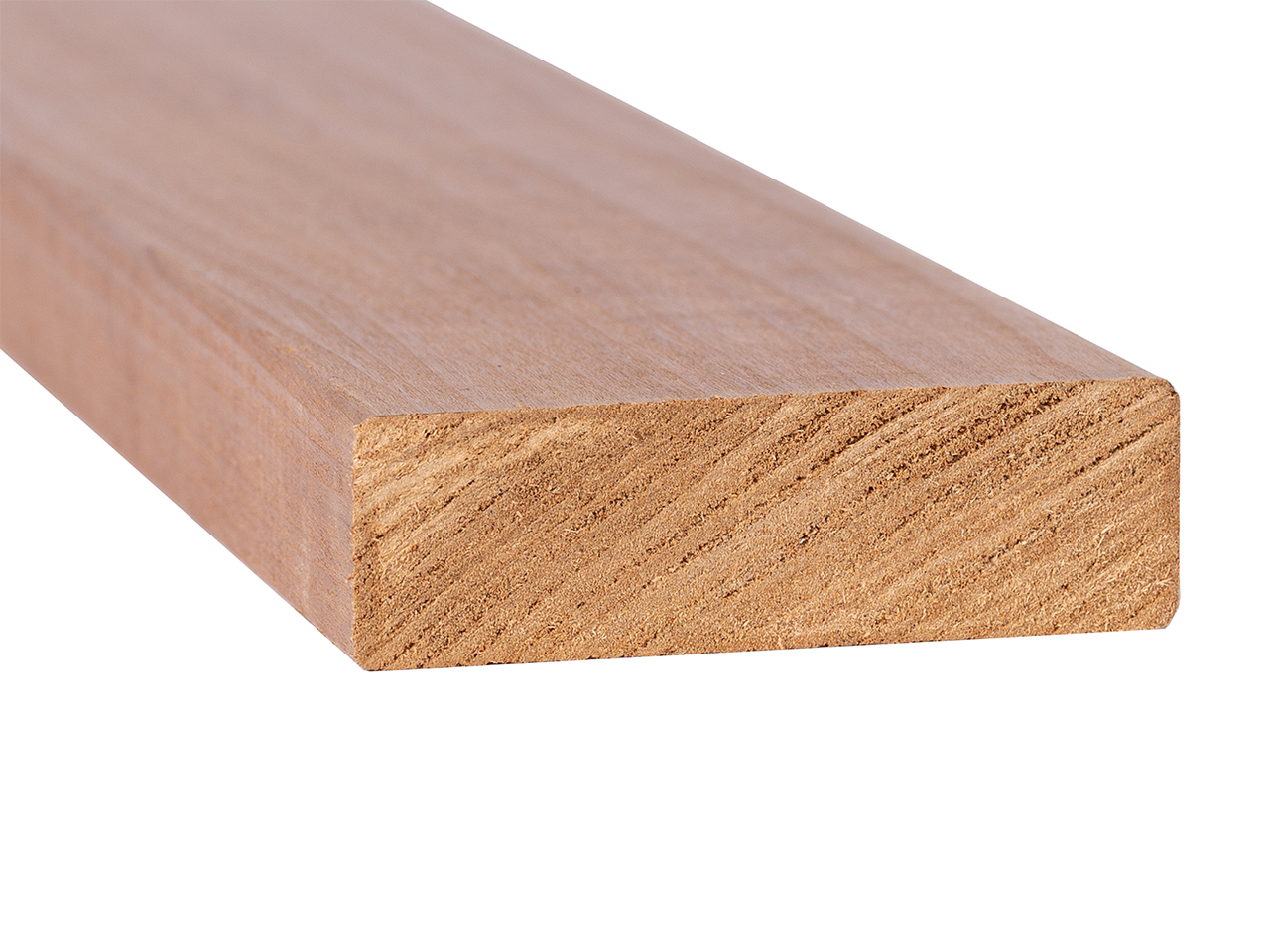
Boards for benches, thermo-aspen, 28 x 120 x 2400 mm
55,33 €
Boards for benches, thermoaspen, 28 x 120 x 3000 mm
63,33 €
Boards for benches, thermoasp, W: 6.5 cm x 270 cm L
23,33 €
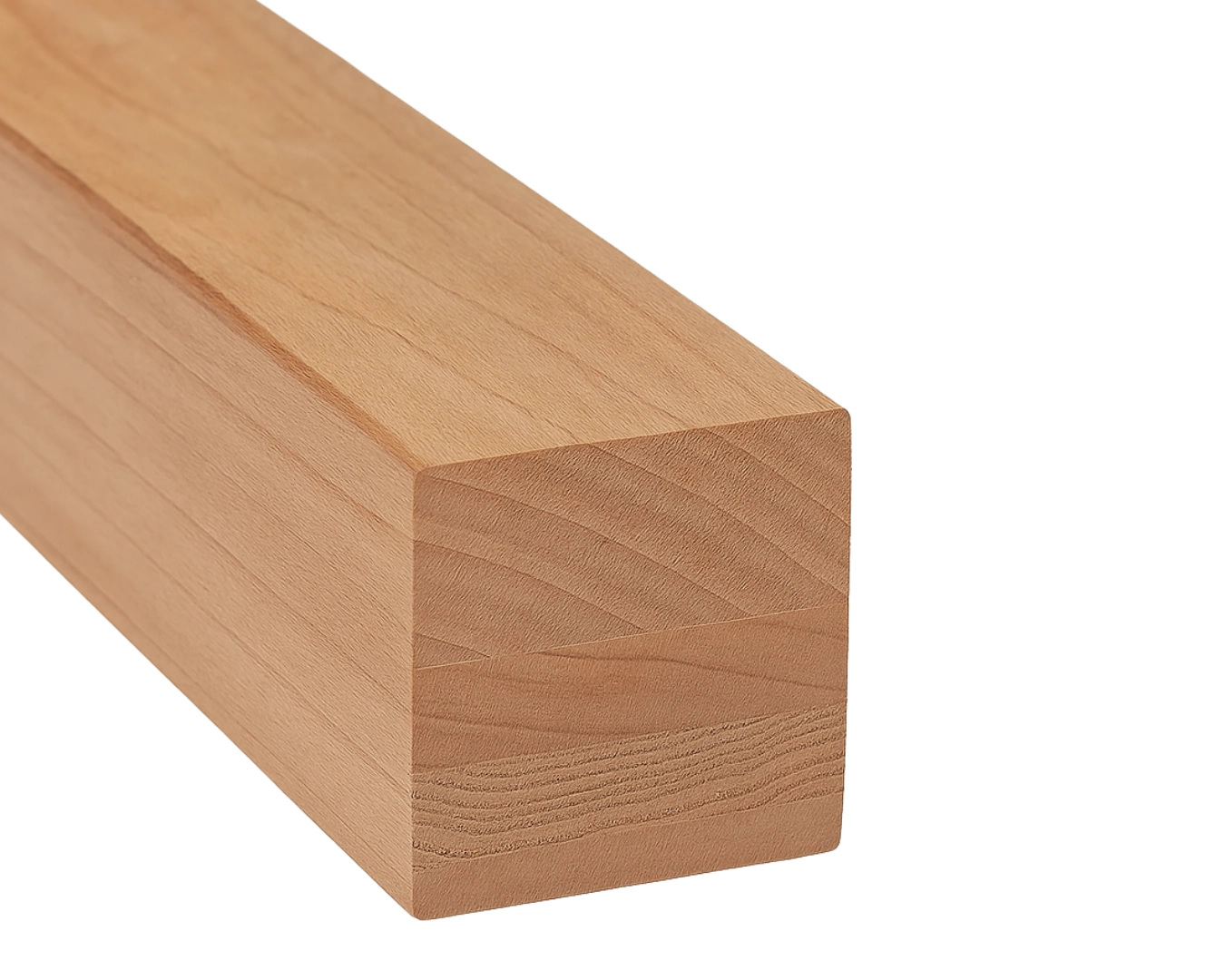
Bench support 210 x 4.2 x 4.2 mixed wood
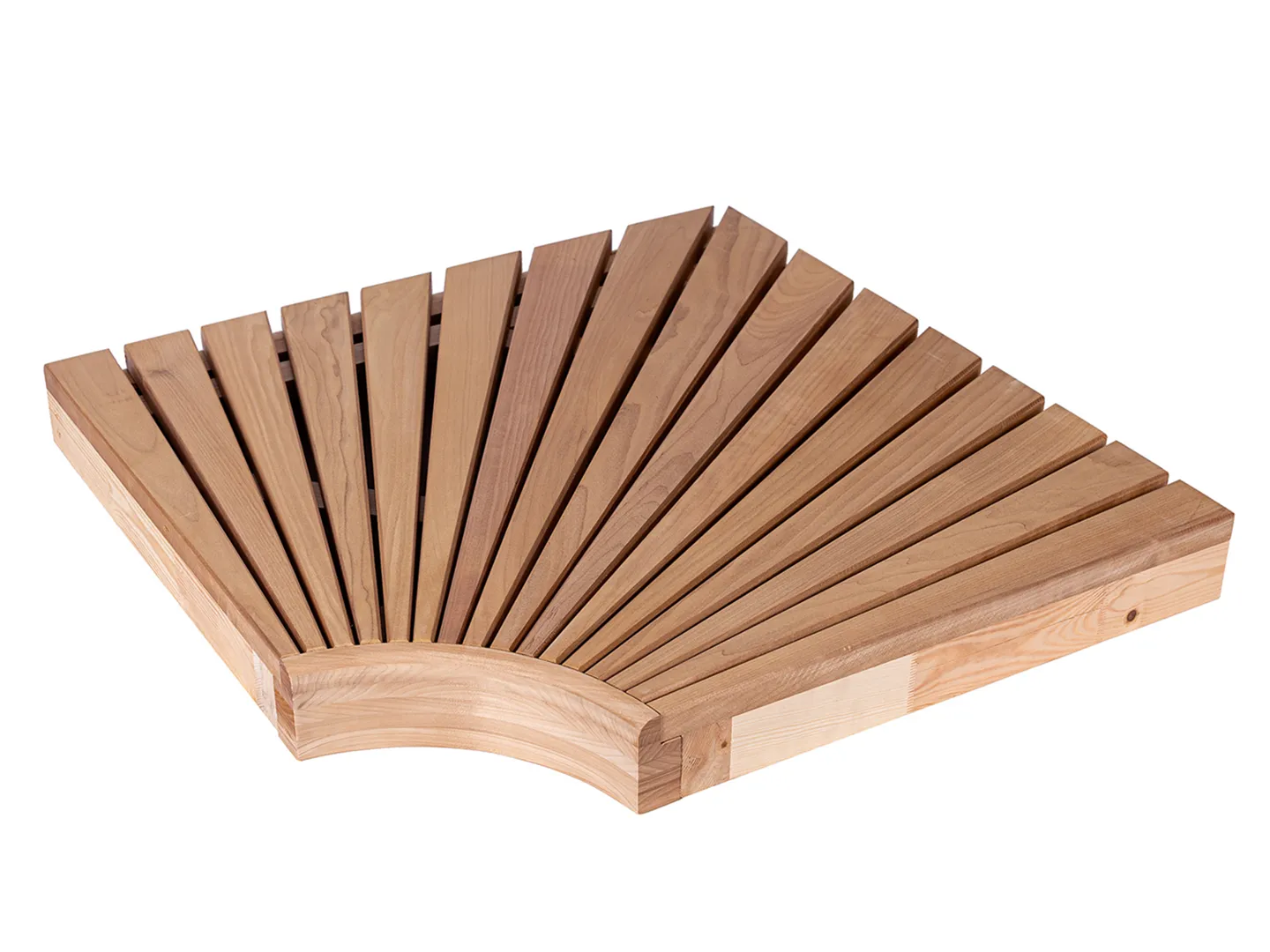
Corner for sauna bench, 50 x 50 cm, thermo-aspen
346,00 €
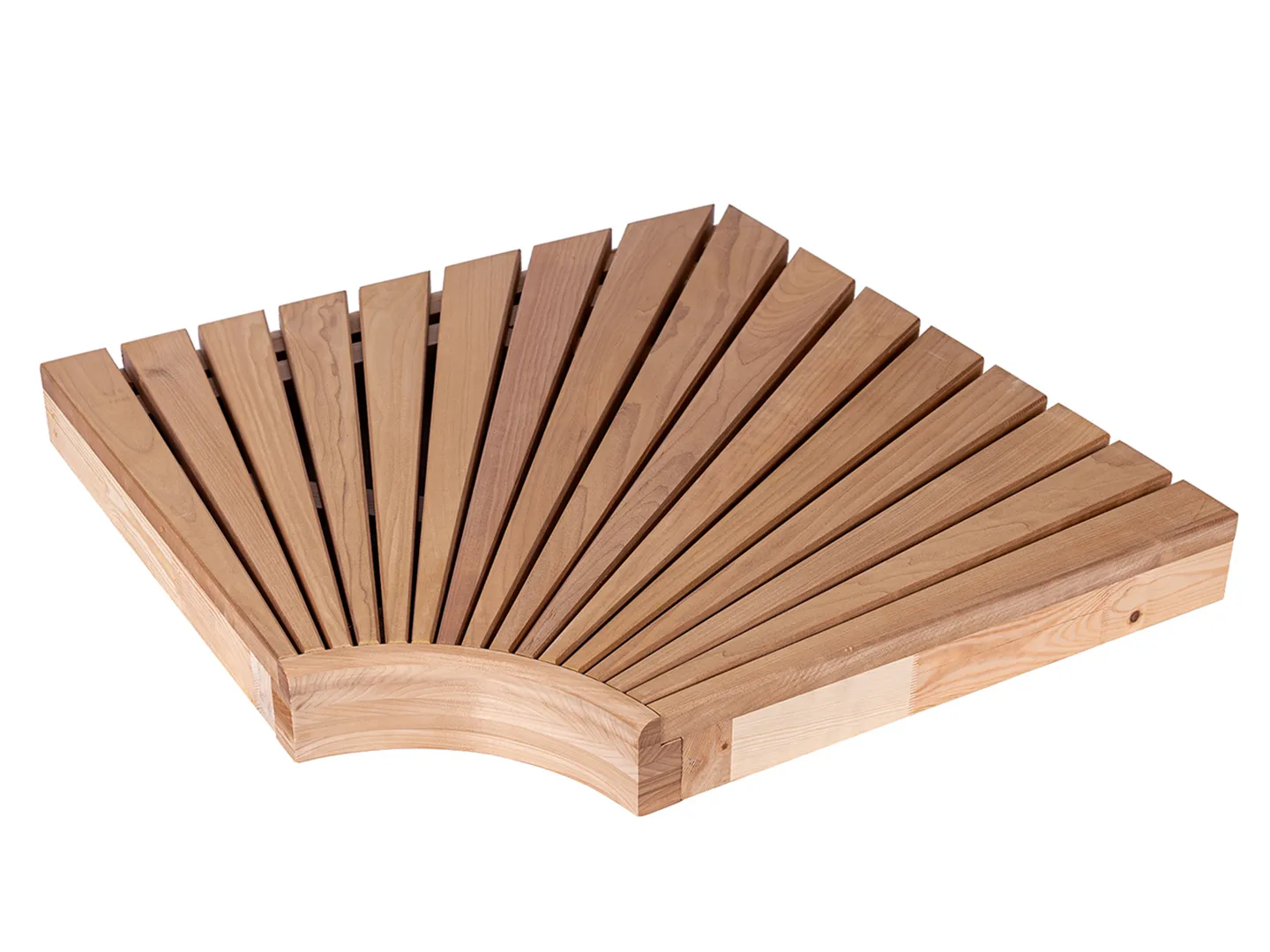
Corner for sauna bench, 60 x 60 cm, thermo-aspen
359,33 €
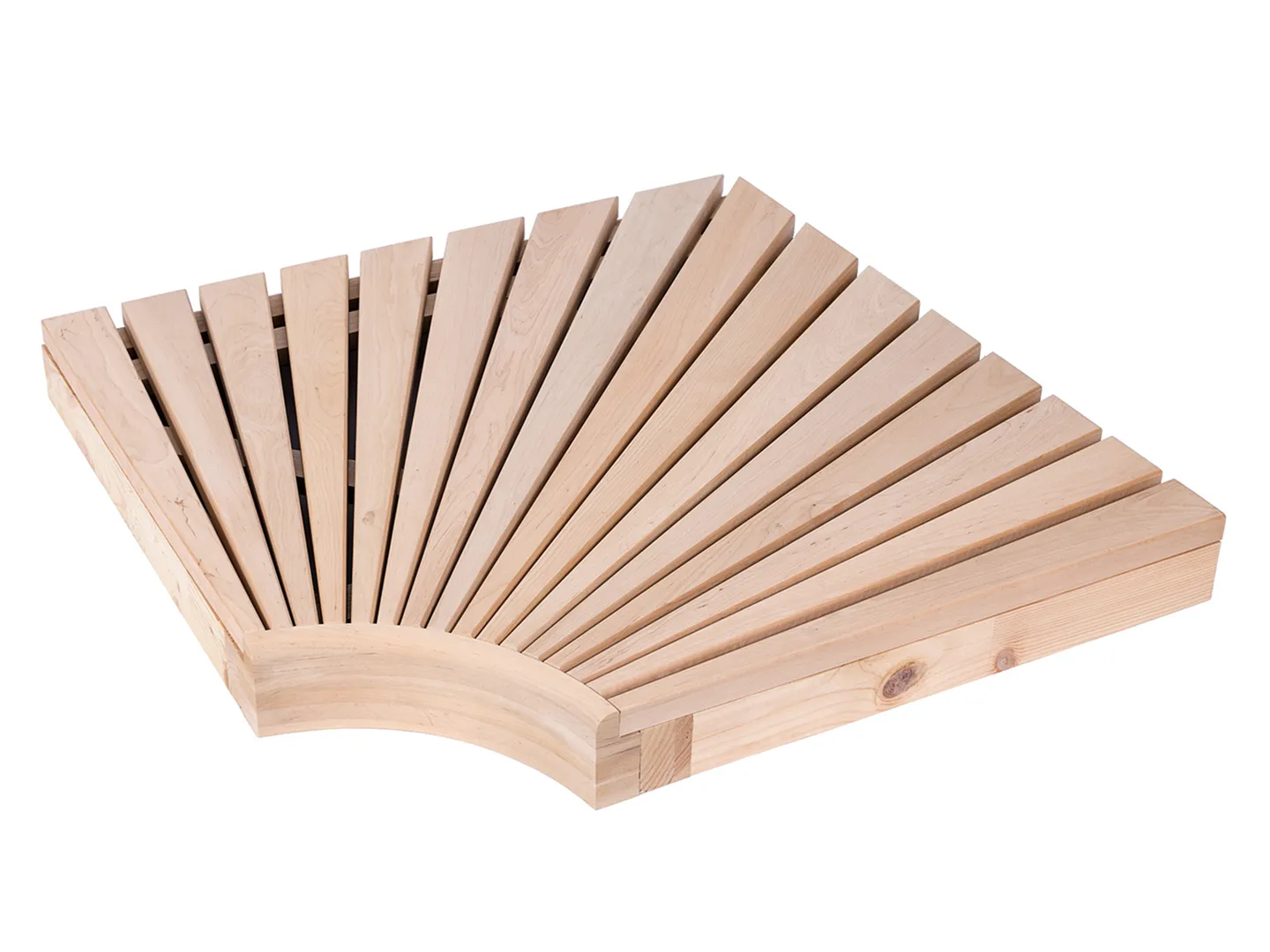
Corner for sauna bench, red elm, 50 x 50 cm
226,00 €
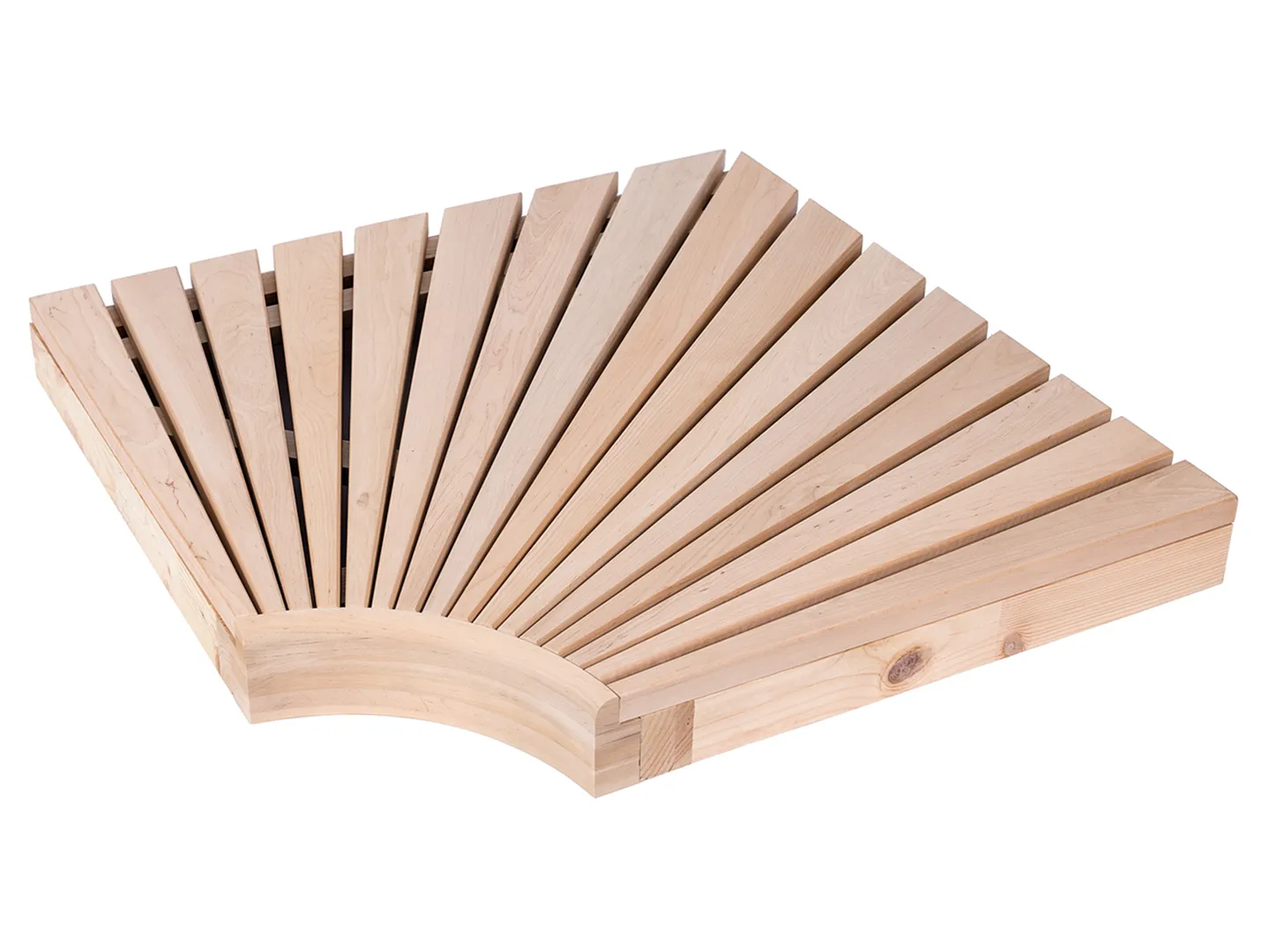
Corner for sauna bench, red elm, 60 x 60 cm
246,00 €

Corner for sauna bench, 40 x 40 x 14 cm, thermo-asp
399,33 €
Corner for sauna bench, 50 x 50 x 14 cm, thermo-asp
412,67 €
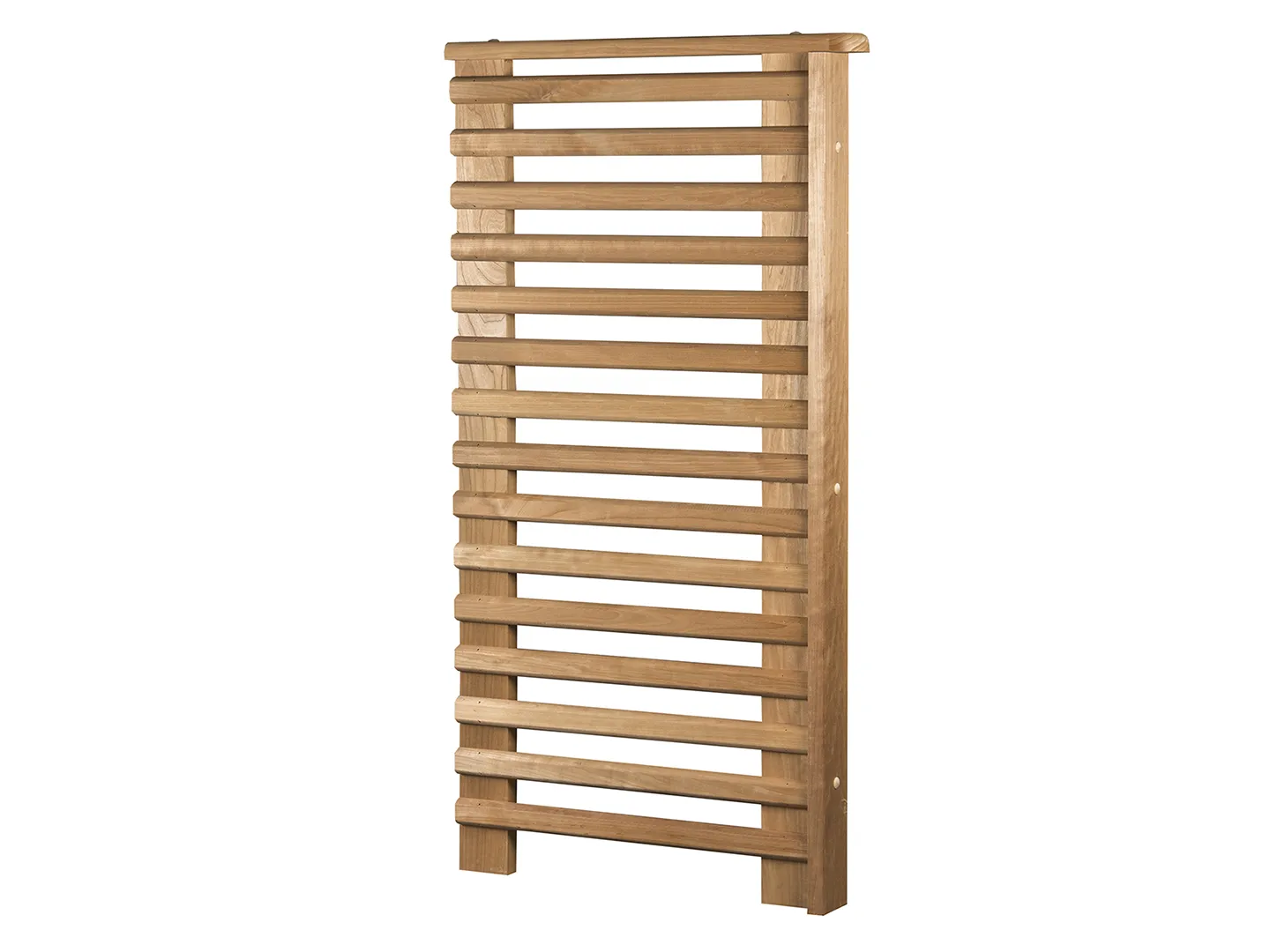
End/armrest for sauna bench 20x600x1300mm, thermo-asp
346,00 €
Corner for sauna bench, 60 x 60 x 14 cm, thermo-aspen
426,00 €
Backrest and shielding
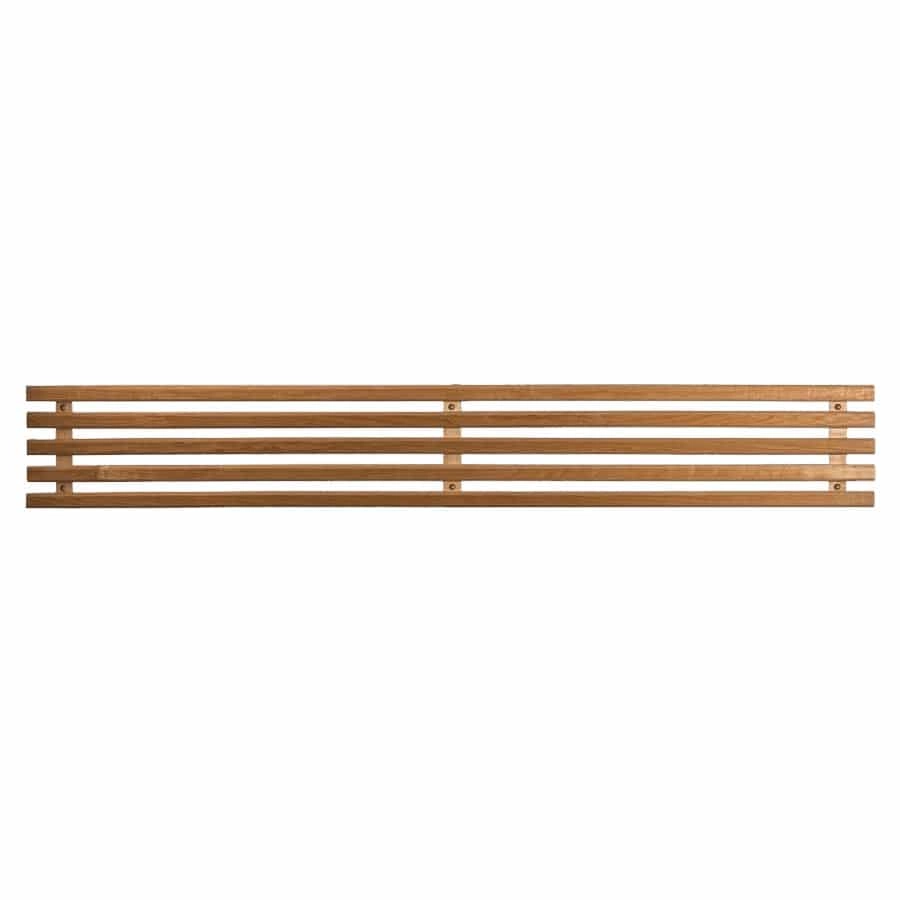
Sauna bench cover, thermo-asp
186,00 €
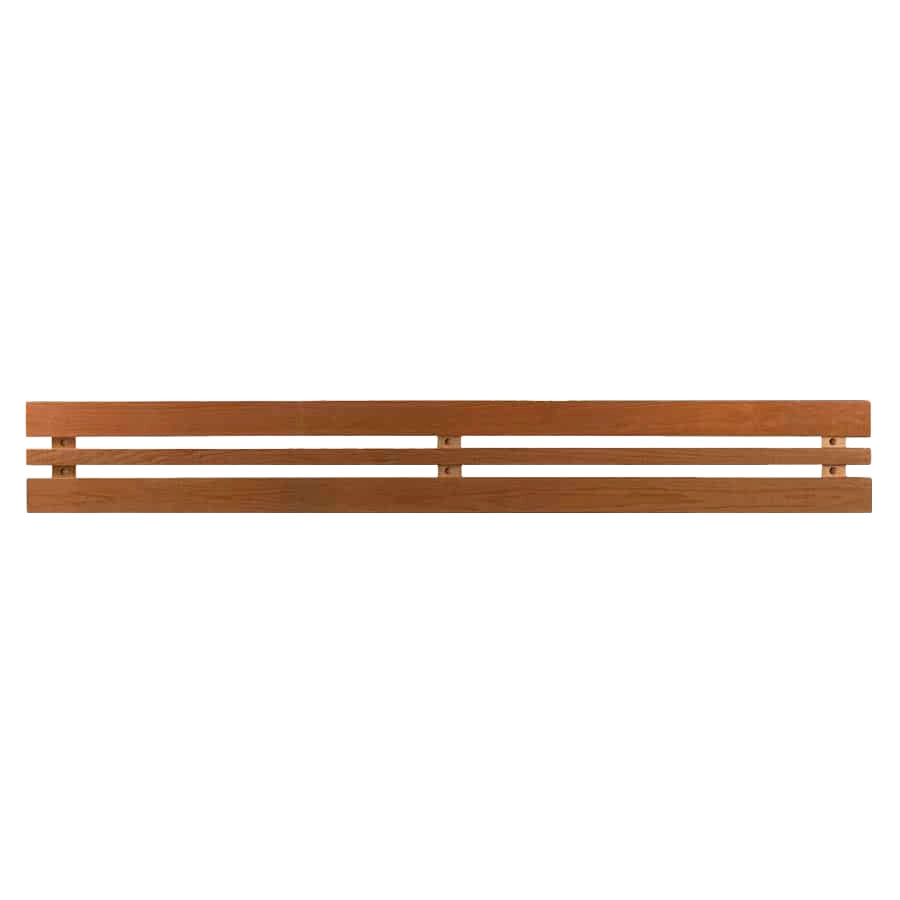
Backrest for sauna 28x300x1950mm, thermo-asp
186,00 €
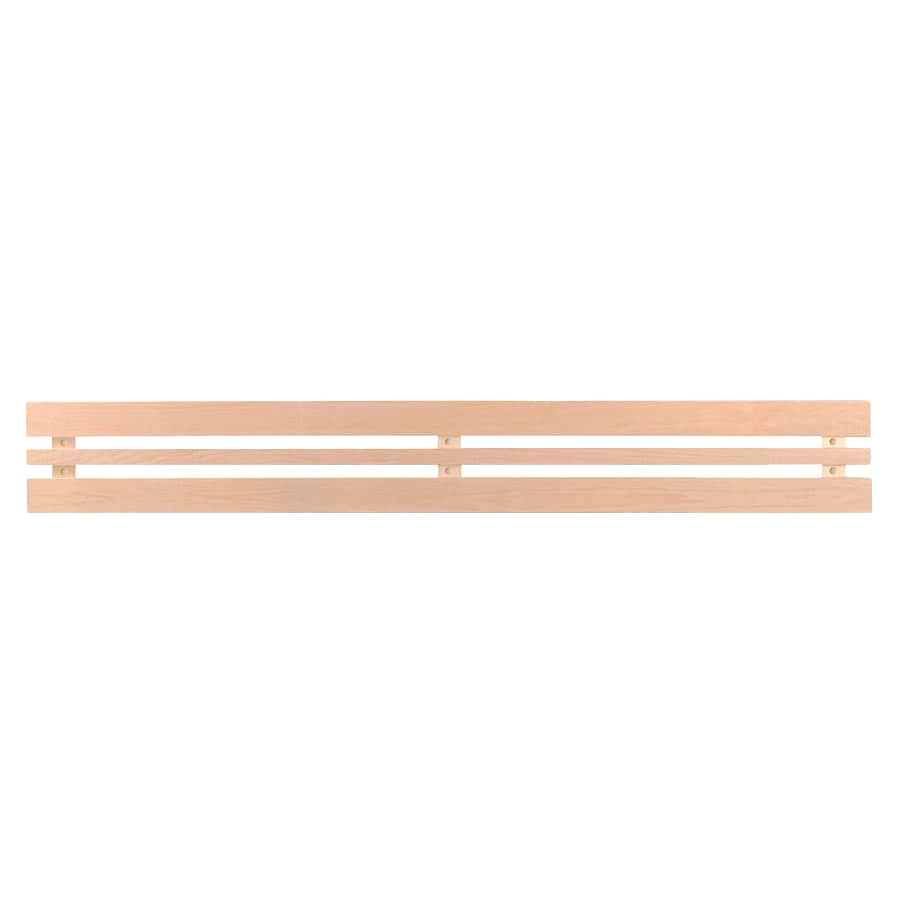
Backrest for sauna 28x300x1950mm, red
132,67 €
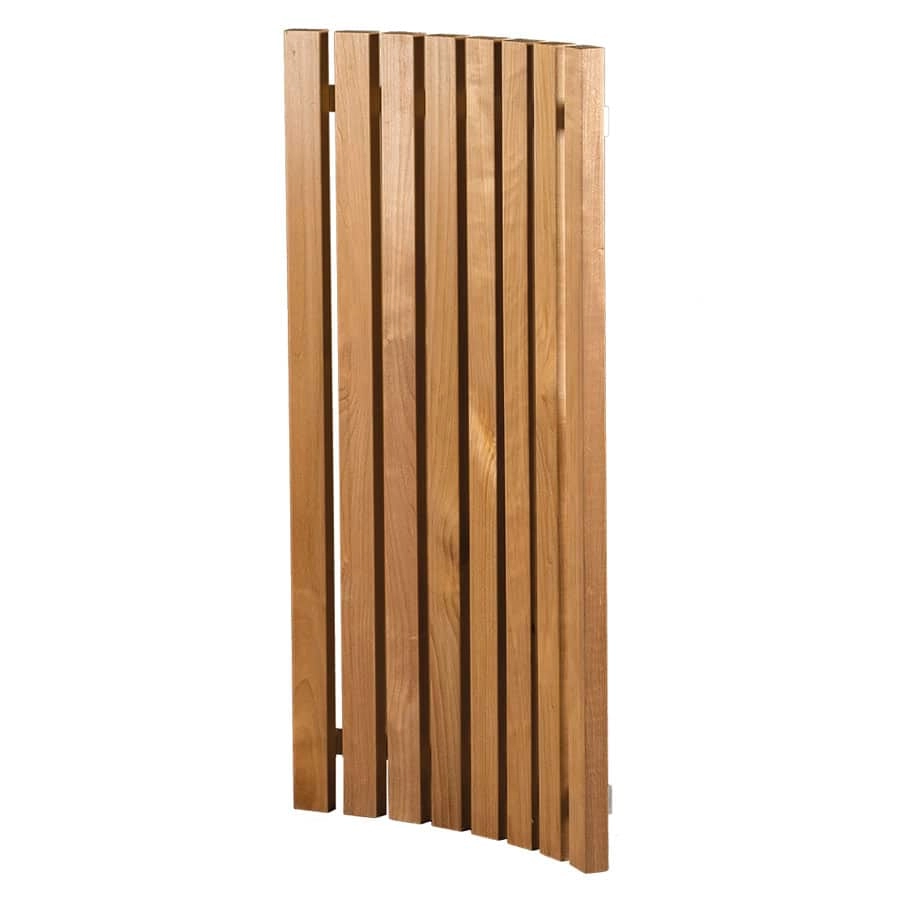
Nordkap backrest for corner, thermoasp
226,00 €
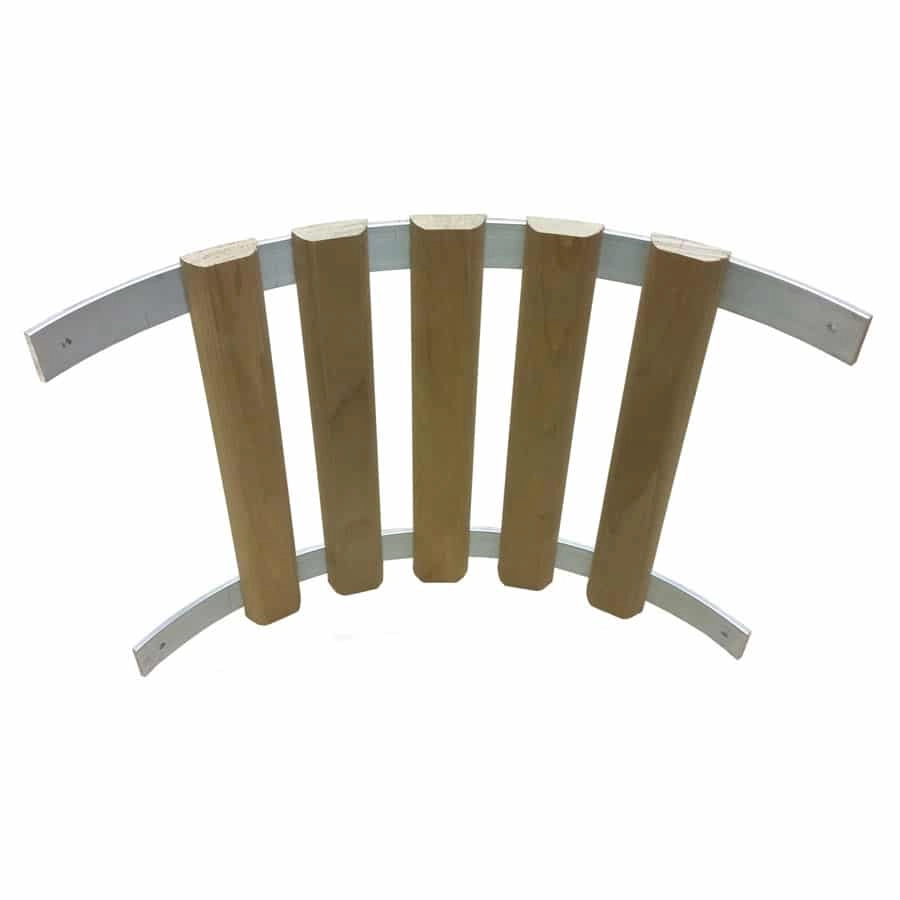
Corner guard for sauna, thermo-asp
186,00 €
Build your own sauna – tailor your own wellness experience
Building your own sauna is a dream for many who want a personal wellness space for relaxation and well-being. With the right materials and a well-thought-out plan, you can create a sauna that perfectly suits your needs – whether it is to be placed in your home, summer house or garden.
A build-your-own sauna gives you full control over the design, materials and features. You can choose the type of wood that best suits your style, tailor the size of the sauna and select exactly the sauna elements that ensure the ultimate comfort.
Benefits of building your own sauna
- Flexibility in design – Choose size, materials and placement according to your wishes.
- Quality materials – Ensures a durable and functional sauna for many years.
- Personalisation – Create a sauna with the features you dream of, such as LED lighting, backrests and benches.
- Economical – By building yourself you can achieve high quality at a lower price than pre-assembled models.
When you build your own sauna, you can also adapt it to the dimensions of the room and ensure that it fits your needs perfectly.
The most important elements of a sauna
To create a functional and durable sauna, you need to choose the right materials and elements.
- Sauna wood – The most important component, as it affects both aesthetics and heating properties.
- Sauna benches – Sauna benches ensure comfort during your stay.
- Sauna doors – Choose a heat-resistant door made of glass or wood.
- Sauna heat source – An electric stove or a traditional wood-fired sauna stove.
- Sauna ventilation – Ensures fresh air and correct heat distribution.
- Sauna insulation and foil – Ensures optimal heat efficiency.
By choosing high-quality materials, you can ensure that your sauna lasts for many years and provides the best experience.
Choice of materials – indoor cladding
Sauna wood is an essential factor as it affects both the durability, appearance and thermal properties of the sauna. The most popular types of wood include:
- Aspen – Aspen has a beautiful light color and a fine, knot-free structure. Aspen does not feel hot because it does not absorb heat very easily.
- Heat-treated aspen – Thermoaspen is both heat and dirt-repellent, and thus ideal for sauna benches and backrests. If you use it for the wall, it is also for its deep, beautiful and durable reddish-brown color.
- Redwood – A classic and economical solution that provides a traditional sauna experience. The wood has a beautiful structure and the color is yellowish or reddish – which changes to a more reddish brown over time. Brown spots occur naturally in the wood.
The sauna's heat source – electric vs. wood-fired stove
The choice of sauna heat source depends on your preferences and options.
- Electric sauna heater – Easy to install, quick heating and requires minimal maintenance.
- Wood-fired sauna stove – Provides an authentic sauna experience with the scent of wood and even heat.
How to properly install and insulate your sauna
To achieve optimal thermal insulation and minimize energy consumption, the sauna must be built correctly.
- Insulating walls and ceiling – Use specially designed sauna foil and mineral wool to retain heat.
- Installing sauna cladding – The cladding wood is installed with spaces between the foil and the wood cladding. This allows moisture to be drained away.
- Setting up benches and backrests – Make sure the benches are placed at different heights for maximum comfort.
- Installing a heat source – Follow the manufacturer's instructions for proper placement and ventilation.
Correct installation ensures a safe and comfortable sauna experience.
Sauna accessories and extra details
To create the perfect sauna experience, you can add a number of functional and comfortable details:
- Sauna backrest – Provides support and increased comfort during sauna visits.
- Sauna lighting – LED lights or dimmed lighting create a relaxing atmosphere.
- Sound – Built-in speaker system for music or nature sounds.
- Sauna mats – Ensure a soft and comfortable surface to stand on.
These details can make a big difference and provide a more luxurious sauna experience.
Maintaining and cleaning your sauna
To extend the life of your sauna, it is important to maintain it correctly:
- Air out the sauna after use – Avoid moisture buildup and mold.
- Wipe surfaces – Use a damp cloth to remove sweat and moisture from benches and walls.
- Clean the sauna door – Glass doors should be cleaned with a mild glass cleaner to avoid limescale deposits.
- Use a special cleaner for saunas – Gentle products ensure that the wood remains in good condition.
With regular maintenance, your sauna can stay beautiful and functional for many years.
How to choose the right materials and order your sauna
Building a sauna requires the right materials and a clear plan. Follow these steps to ensure the best solution:
- Choose size and location – Should the sauna be indoors or outdoors?
- Choose the right type of wood – Consider durability and aesthetics.
- Decide on a heat source – Electric or wood-fired sauna heater?
- Add extra features – Do you want lighting, sound effects or other details?
- Order quality materials – Ensures a long-lasting sauna with optimal heat distribution.
Do you need guidance? Our experts are ready to help you find the perfect materials for your DIY sauna.
On this page you will find everything worth knowing about building your own sauna.